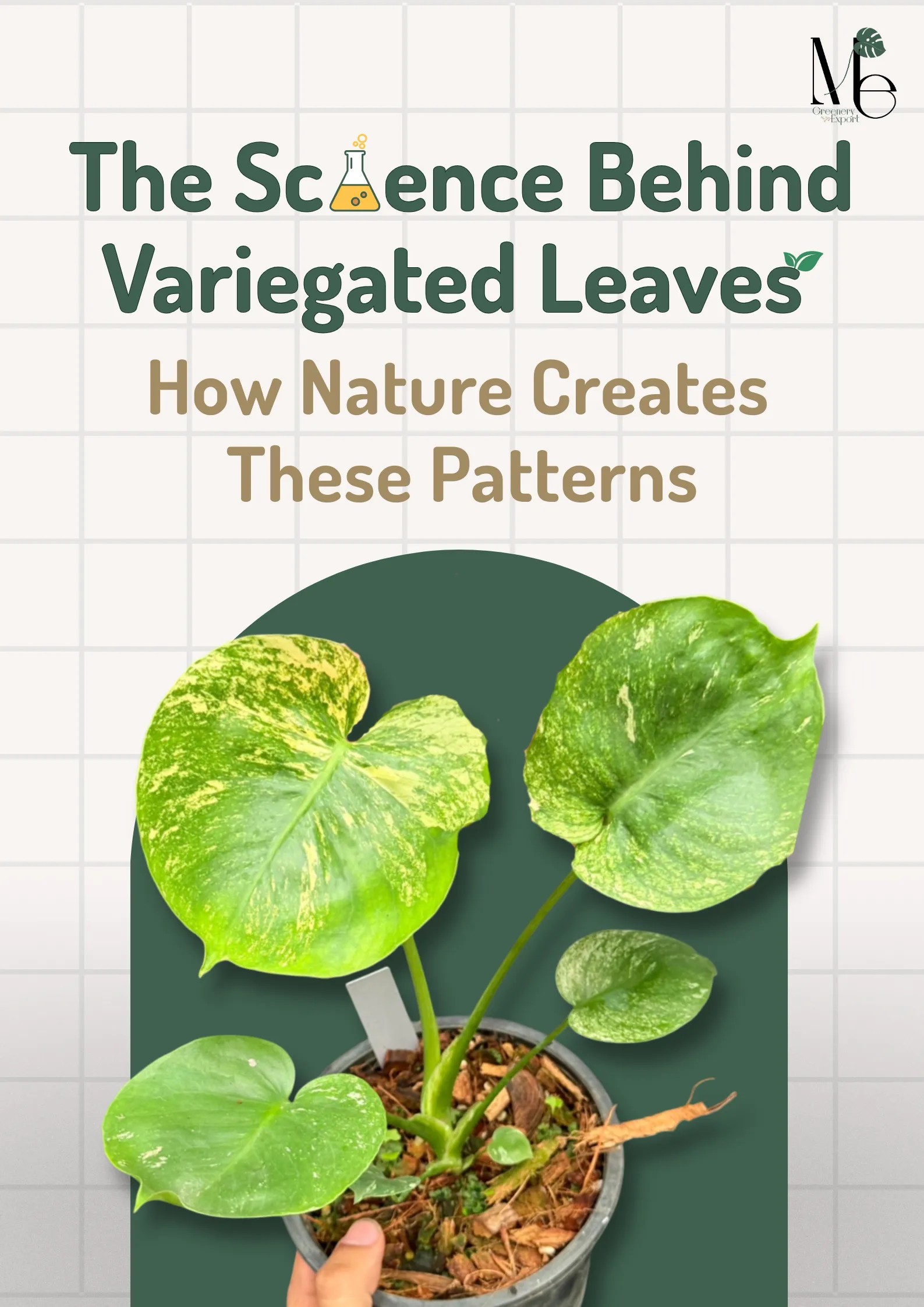
The Science Behind Variegated Leaves: How Nature Creates These Patterns
DATE : December 12, 2025 By : Intern Megreenery

Have you ever looked at a leaf and noticed weird patterns? You may find the pattern of white, yellow, or even pink among the green. These kinds of plants, often called “variegated”, In this blog, we’ll explore why some leaves are multi-colored instead of plain green, and what actually happens inside the leaf that creates those beautiful patterns.
Whether you’re a curious plant lover or just someone who likes cool leaves, reading this will help you appreciate variegated plants even more.
What is “Variegation”?
Plant variegation refers to the beautiful mix of colors you often see on certain leaves, which can be soft creams and bright yellows to bold whites, pinks, and even flashes of orange. The absence of chlorophyll, the green pigment responsible for absorbing sunlight during photosynthesis, is the key reason why some leaves display various patterns rather than a uniform green.
Variegation appears in several different forms, and understanding the types can help plant enthusiasts determine the stability and rarity of a plant.
1. Genetic Variegation
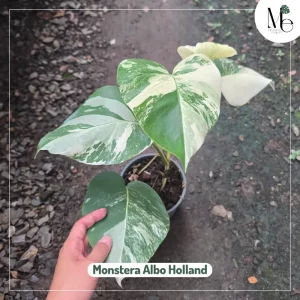
This type comes from a natural mutation written directly into the plant’s DNA. Due to the stable genetic change, these patterns are usually passed down effectively through the proper methods of propagation, such as stem cuttings, and sometimes even seeds. Popular examples include Monstera Albo Holland.
These plants tend to produce consistent variegation, but they can still lose their vibrant color if grown in an inappropriate environment, like low light or under stress.
2. Chimeral Variegation
Chimeral variegation is like having two or more genetically different cell layers living in one plant. These layers grow together but contain different sets of genetic instructions, which result in unpredictable and unique patterns. This type of plant is referred to as a chimera.
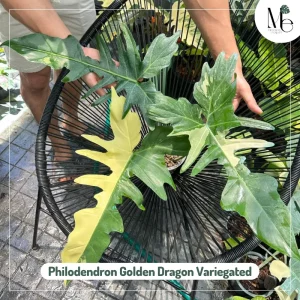
Plants like the Philodendron Golden Dragon Variegated are known for this type of variegation — one leaf might be half green, the next one splashed with white, and another one perfectly marbled. Because of its unstable nature, chimeral variegation tends to produce the rarest and most sought-after plants.
3. Pigmentary Variegation
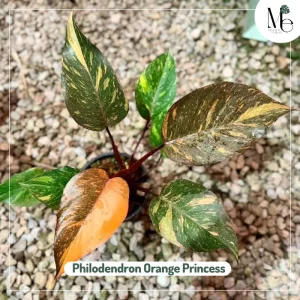
Unlike the first two types, pigmentary variegation comes from different pigments inside the leaf — not from a lack of chlorophyll. Some areas may contain anthocyanins or carotenoids, creating warm hues such as pink, red, orange, or yellow.
This is the type you see in plants like the Philodendron Orange Princess or certain variegated Syngoniums, which display sunset-like tones mixed with green or white.
Quick Tips for Taking Care of Variegated Plants
1. Prioritize bright, indirect light
Variegated leaves show their best colors when they receive plenty of filtered brightness. A plant like Philodendron Pink Princess Galaxy, for example, develops more vivid pink tones under strong but gentle light.
Place most variegated plants around 3 to 4 feet from your brightest window so they receive steady light without getting scorched. If your home doesn’t provide at least 8 hours of natural light a day, supplemental grow lights are another great option.
Plus, don’t forget to frequently observe the leaves: browning edges mean the light is too harsh, while fading or reverting to green indicates it needs stronger illumination.
2. Water consistently but avoid extremes
Because variegated leaves have less chlorophyll, they are more sensitive to stress. Letting the soil dry completely (insufficient) or keeping it constantly wet (excessive) can affect the plant to be pale and dull or produce more green on the foliage. Stable moisture helps maintain both plant health and leaf coloration.
3. Keep the foliage clean
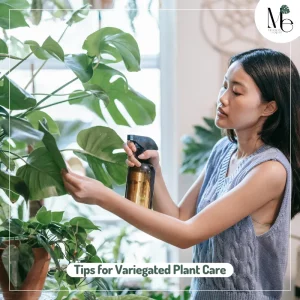
Dust buildup blocks valuable light from reaching the leaf surface. A light wipe every 1-2 weeks using a wet and soft sponge helps the plant photosynthesize efficiently and keeps the foliage looking fresh. Regular cleaning also helps prevent pests like mites, which thrive on dusty leaves. Keeping the foliage clean allows you to spot early signs of stress or disease before they spread.
4. Use nitrogen fertilizer appropriately
Nitrogen promotes foliage growth but also increases chlorophyll production, which may cause variegation to fade over time. This is why it’s important to monitor the amount of nitrogen in your fertilizer. A diluted liquid feed applied once a month is usually sufficient, helping the plant grow well without losing its unique patterns.
5. Ensure stable temperatures
Variegated varieties are more sensitive to sudden temperature shifts. Keep them away from drafts, heaters, and strong air conditioning. Indoor conditions are usually easier to control than outdoor environments, making indoor growth preferable. In some species, such as variegated African violets, cooler temperatures can even intensify leaf patterns. Understanding each plant’s unique needs will help them grow and show their best color.
Caring for variegated plants may need more delicate attention than taking care of common green-foliage plants, but that’s also what makes your greenery journey so rewarding and memorable! Each new leaf is a small surprise as it provides a blend of color, pattern, and personality that reflects how well you’ve nurtured it.
Whether you’re growing your very first variegated plant or expanding a rare collection, remember to enjoy the process. With patience and attention, their changing colors will continue to brighten your space and your day.
If this article makes you want to start growing variegated plants, feel free to browse our website. We have plenty of choices—like Alocasia Yucatan Pink Variegated, Alocasia Nebula Aurea, and many more—all carefully selected to reach you in perfect condition.
References
- What is Plant Variegation? – Plant Vault
- Variegated Plant Care 101 – Plantum
- Monstera Albo Holland – M.E. Greenery Export
- Philodendron Golden Dragon Variegated – M.E. Greenery Export
- Philodendron Orange Princess – M.E. Greenery Export
- Philodendron Pink Princess Galaxy – M.E. Greenery Export
- Alocasia Yucatan Pink Variegated – M.E. Greenery Export
- Alocasia Nebula Aurea – M.E. Greenery Export
Share this: