Showing 1–20 of 323 resultsSorted by latest
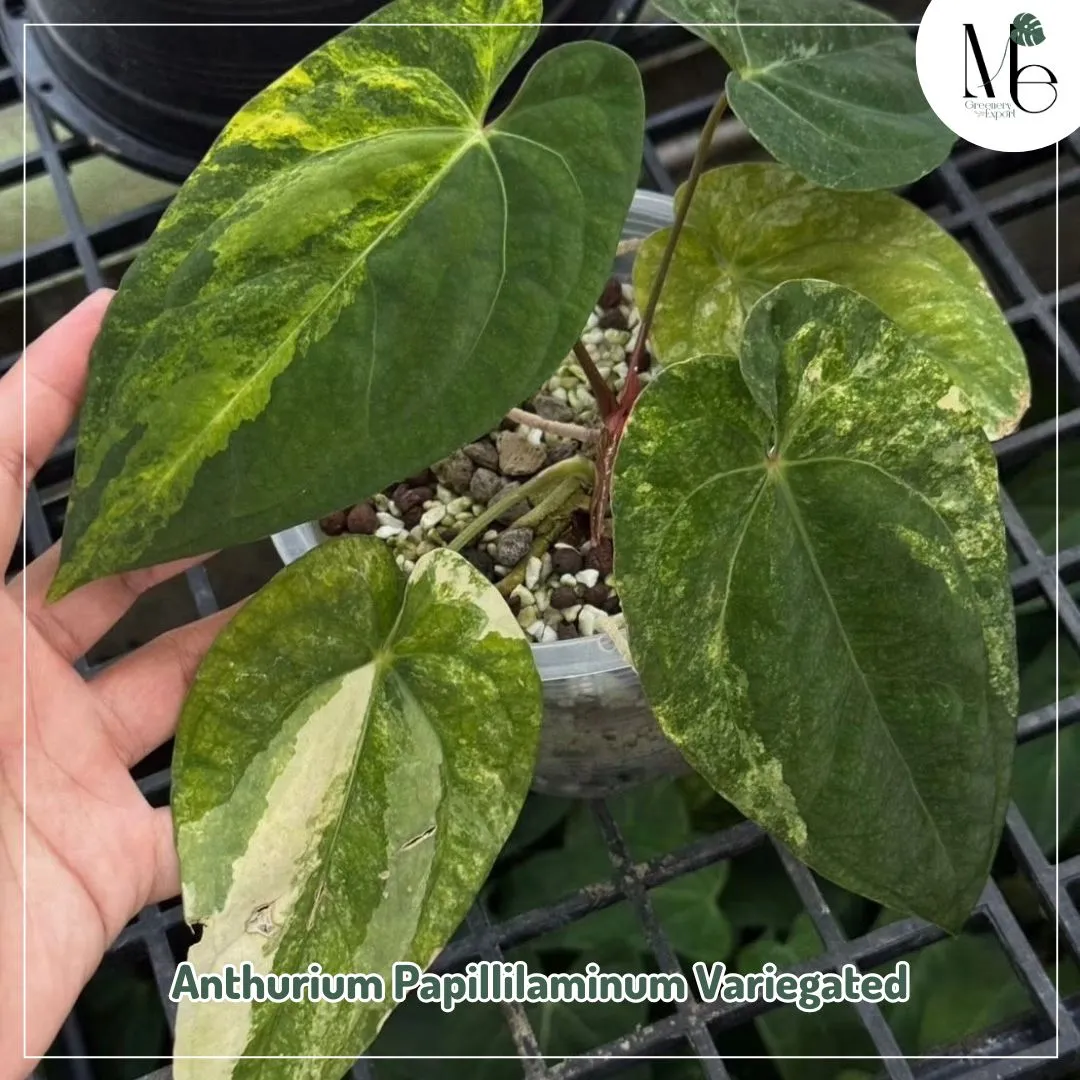
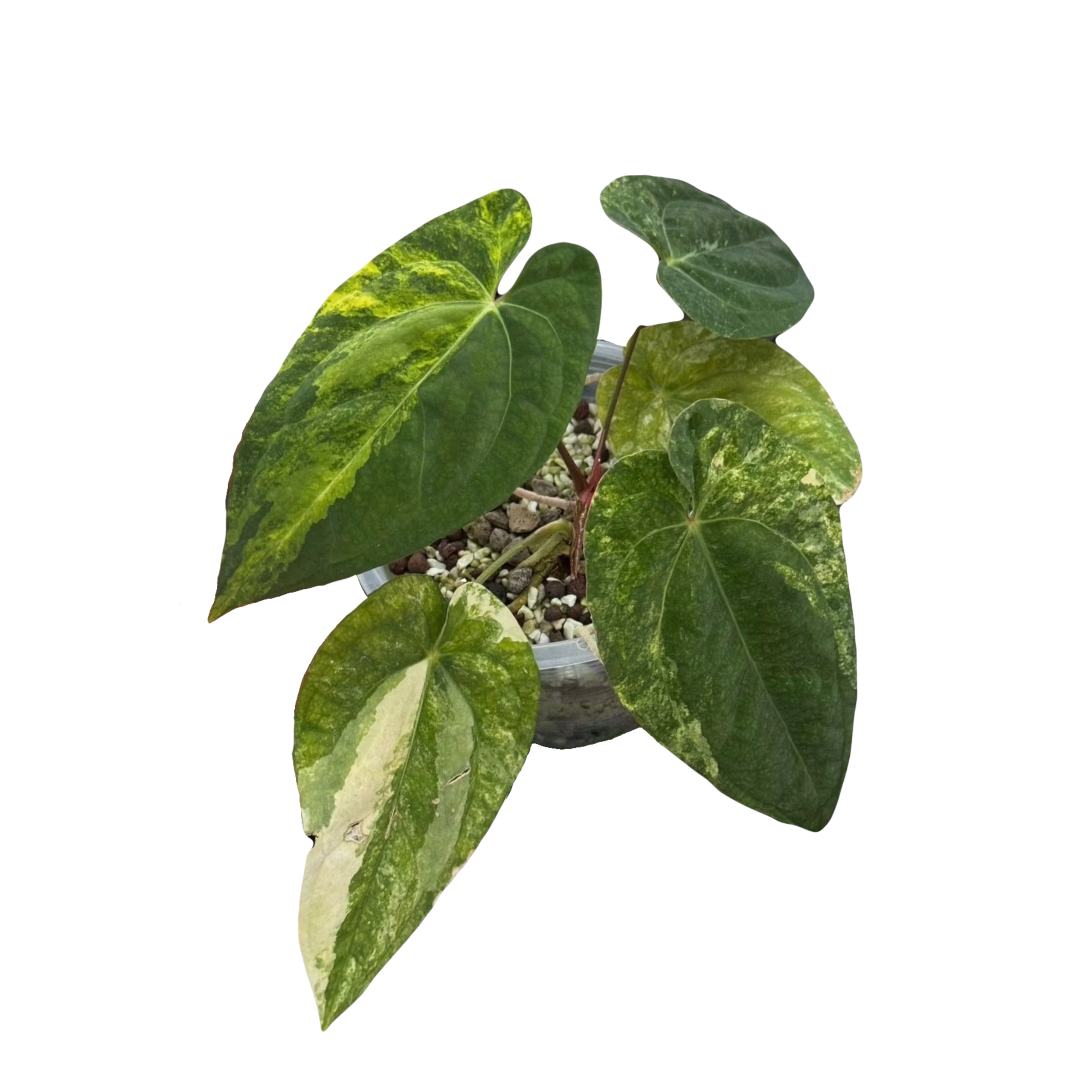
Anthurium Papillilaminum Variegated
Anthurium Papillilaminum Variegated is an ultra-rare Panamanian aroid combining a legendary dark, velvety texture with a striking genetic mutation. The elongated, deeply lobed heart-shaped leaves feature a rich plush surface broken up by erratic splashes of creamy white, pale yellow, and mint green. As the foliage matures into a near-black emerald tone, the stark contrast against the vivid variegation intensifies, making each unique leaf an imposing piece of living art. How to care Light: Bright, indirect light. Protect from direct sun. Water: Keep damp. Water when the top 2 cm feels dry. Humidity: High levels required. Maintain 75% or higher. Temperature: Warm and steady, between 20°C and 28°C. Avoid drafts. Soil: Ultra-chunky aroid mix of bark, perlite, and moss.
How to order *The first image is just for advertising. [post-views]Share this:
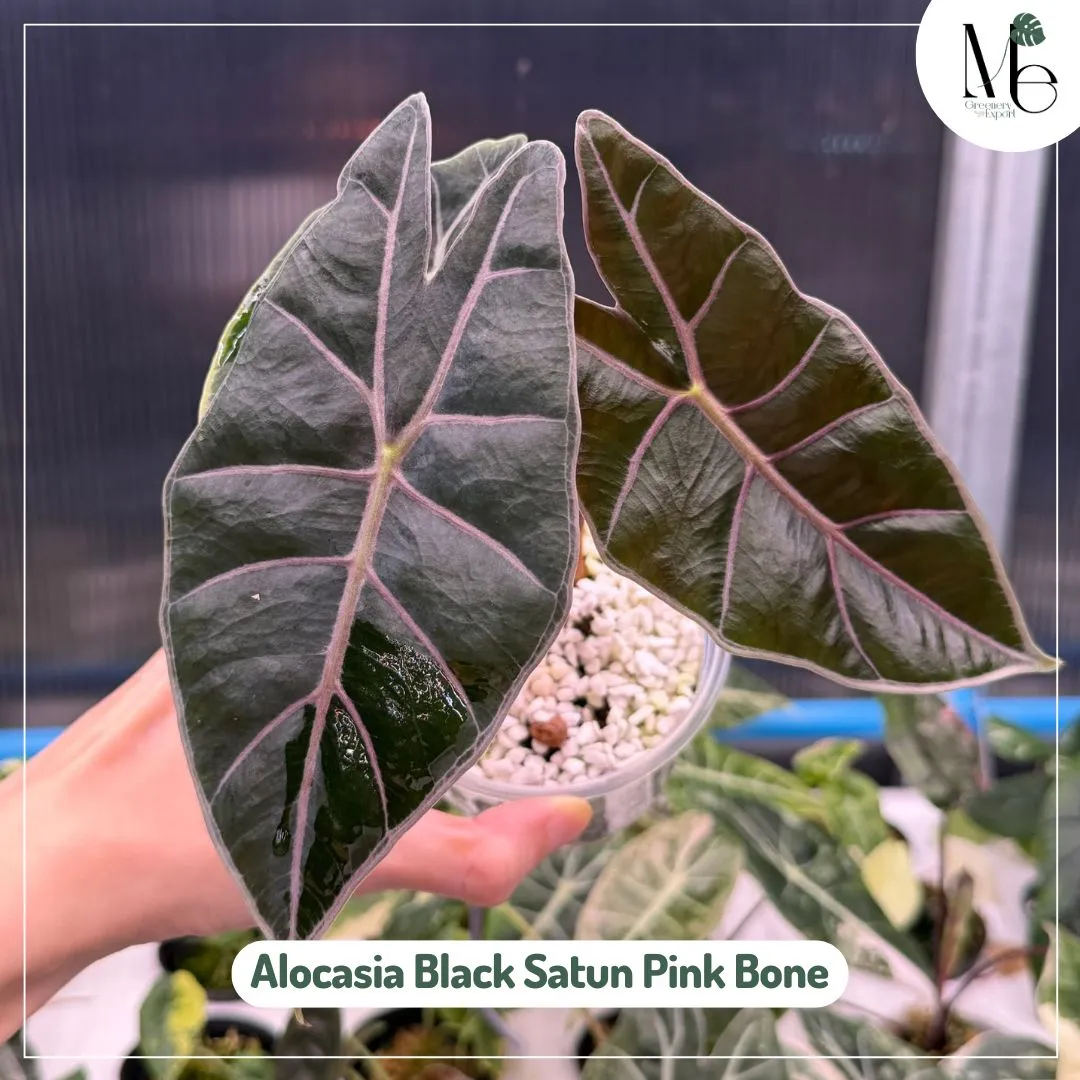
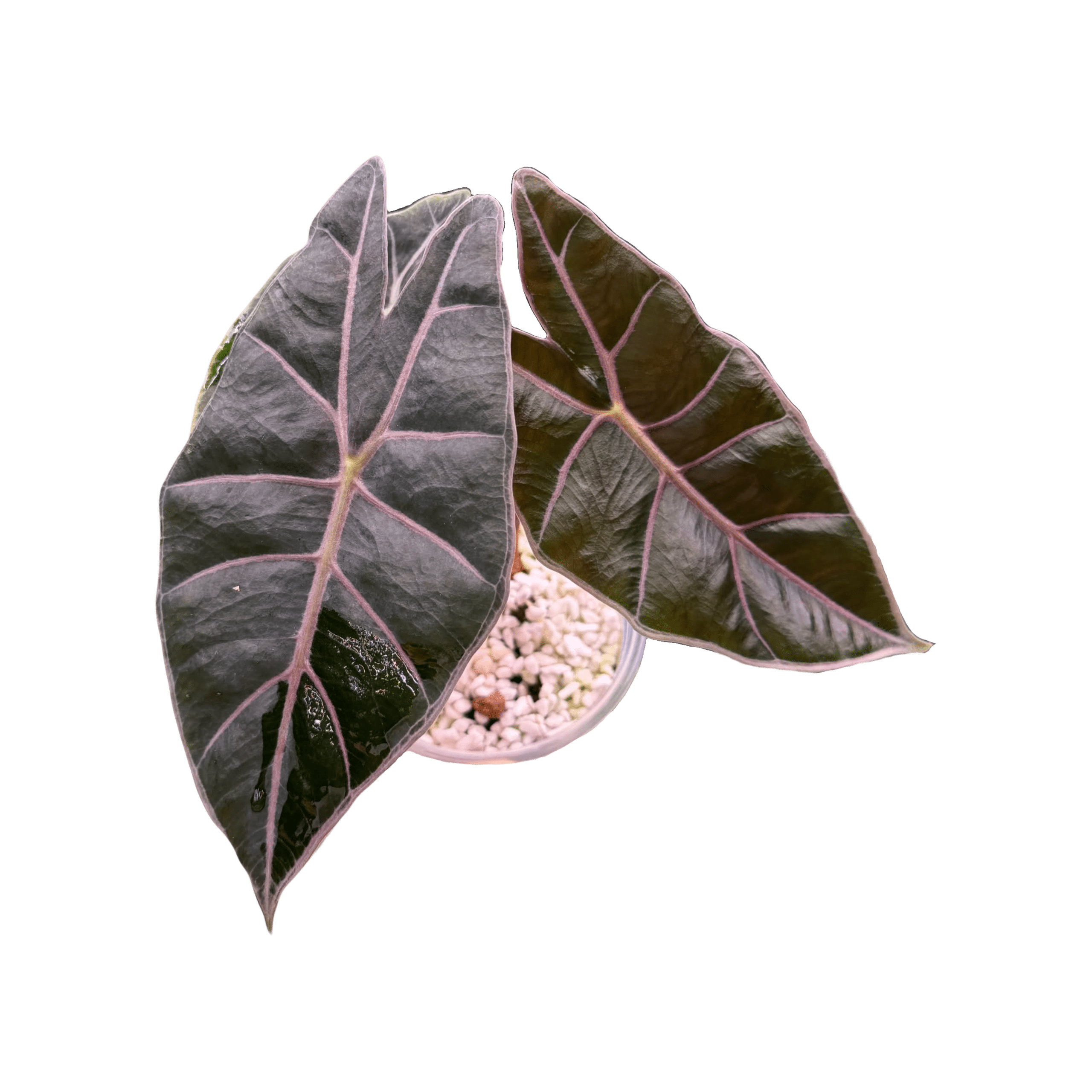
Alocasia Black Satun Pink Bone
The Alocasia Black Satun Pink Bone (a distinct cultivar of Alocasia longiloba) is a rare and striking treasure found in the limestone-rich regions of southern Thailand. This jewel aroid features dramatic, elongated arrowhead leaves that transition into a deep, near-black velvet green as they mature. Its defining feature is the contrast between the dark, glossy blades and the bold, neon pink veins (or "bones") that map structurally across the leaf surface. While juvenile leaves resemble standard green longiloba forms, the rich charcoal tones and striking pink skeletal patterns intensify beautifully with age, making it a highly dynamic and sought-after centerpiece for serious collectors. How to care Light: Bright, indirect light. Filtered light is essential to develop the rich, dark foliage and keep the pink skeletal veins vibrant, but safeguard the velvet surface from scorching sun. Water: Keep the substrate evenly moist. Water as soon as the top 2 cm feels dry to the touch, ensuring the medium stays well-aerated rather than waterlogged. Humidity: High humidity is critical, ideally staying at 70% or higher. Excellent moisture levels keep the dark leaf tissue smooth and protect the tips from browning. Temperature: Warm and stable, preferring a range between 20°C and 28°C. Ensure it is protected from cold drafts, shifting temperatures, or drying air currents. Soil: An incredibly chunky, free-draining aroid mix. Combining loose materials like coarse orchid bark, perlite, pumice, and chunks of charcoal with a hint of coco coir keeps the root system perfectly aerated. How to order *The first image is just for advertising. [post-views]
Share this:
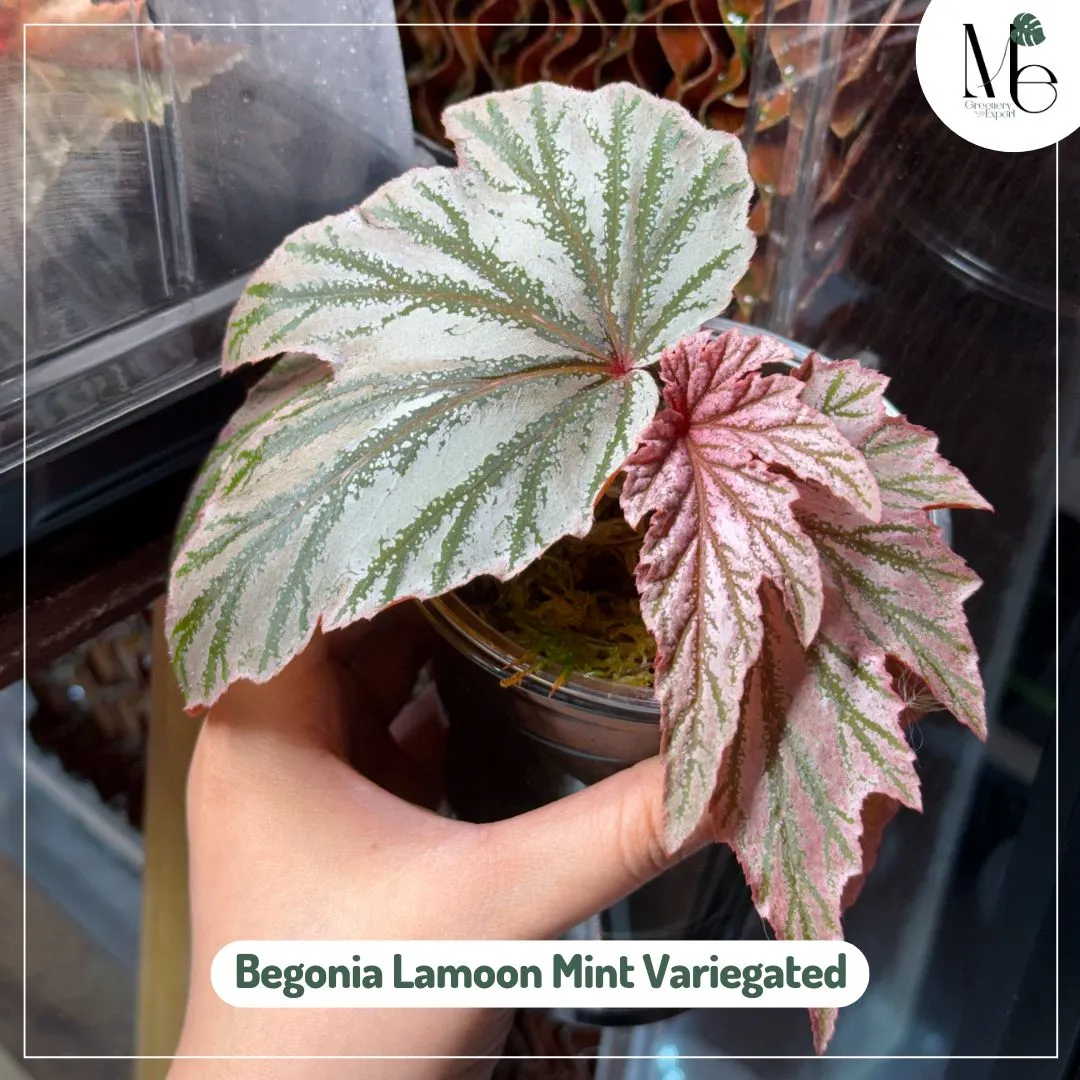
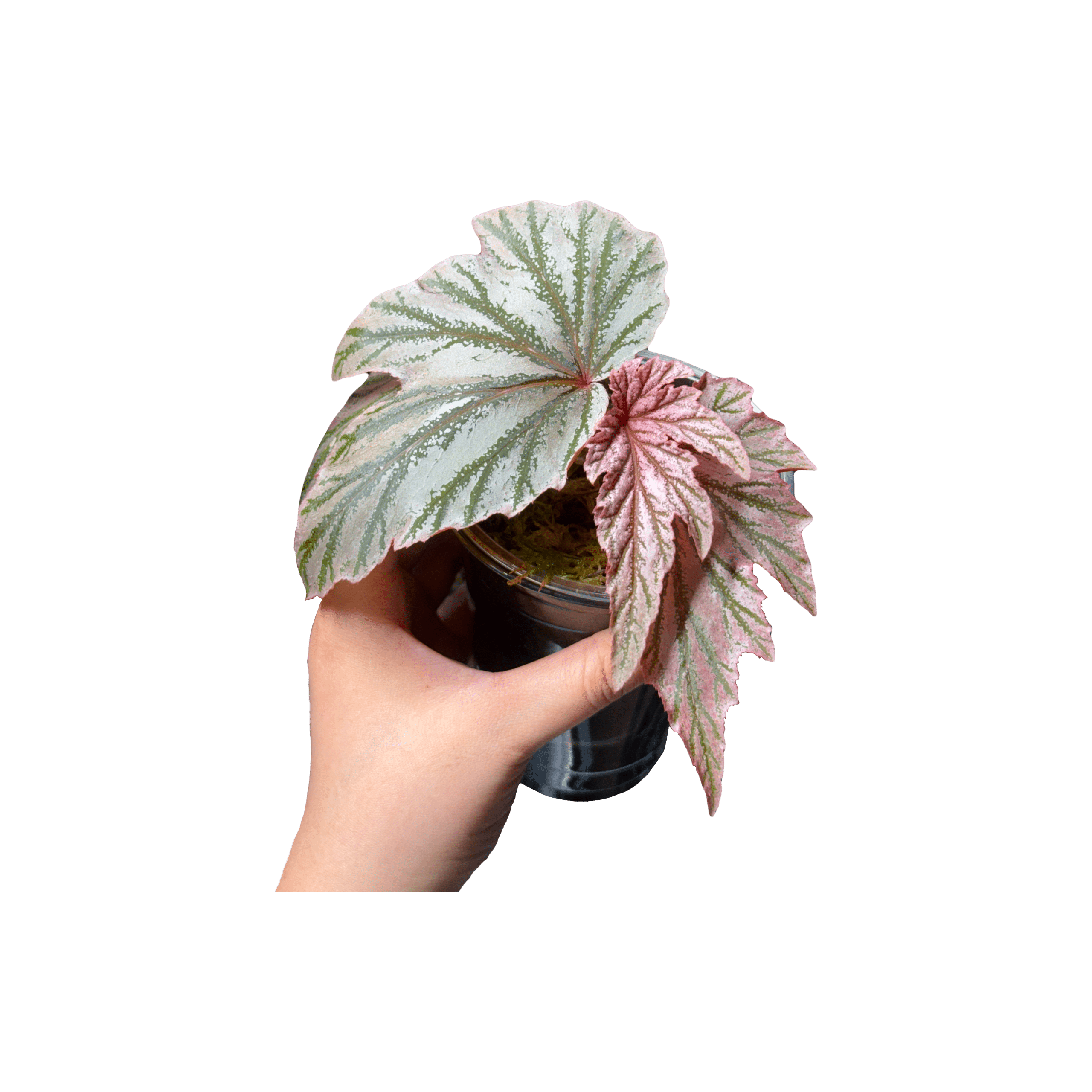
Begonia Lamoon Mint Variegated
This captivating Thai hybrid puts a fresh, modern spin on traditional foliage plants. A variegated mutation of the beloved "Lamoon" variety, it features rounded, asymmetrical leaves with a soft, touchable texture. The standout feature is its gorgeous multi-toned palette, blending a deep forest-green base with a frosted mint-green overlay and irregular splashes of creamy white. The soft, cooling tones give the plant a gentle, delicate appearance. Because the minty marbling and pale variegation spread uniquely across every velvety leaf, watching each new blade uncurl feels like unveiling a tiny, custom piece of botanical art. How to care Light: Bright, indirect light is ideal. Gentle, filtered light encourages the mint and cream variegation to stay distinct and vibrant, while harsh, direct sun will quickly singe the soft leaves. Water: Water when the top 1 to 2 cm of soil feels dry. It prefers a consistent routine where the medium remains lightly damp, but never saturated to the point of becoming soggy. Humidity: High humidity is key to keeping the foliage lush. It thrives best when moisture levels stay above 60%, which prevents the delicate pale edges from turning brittle or brown. Temperature: Enjoys a warm, stable range between 20°C and 28°C. Keep it well protected from sudden temperature drops, chilly evening drafts, or direct air conditioning. Soil: A light, airy, and well-draining potting mixture. A blend containing plenty of perlite, peat moss, and small bark chips ensures the roots can breathe while retaining just enough moisture. How to order *The first image is just for advertising. [post-views]
Share this:
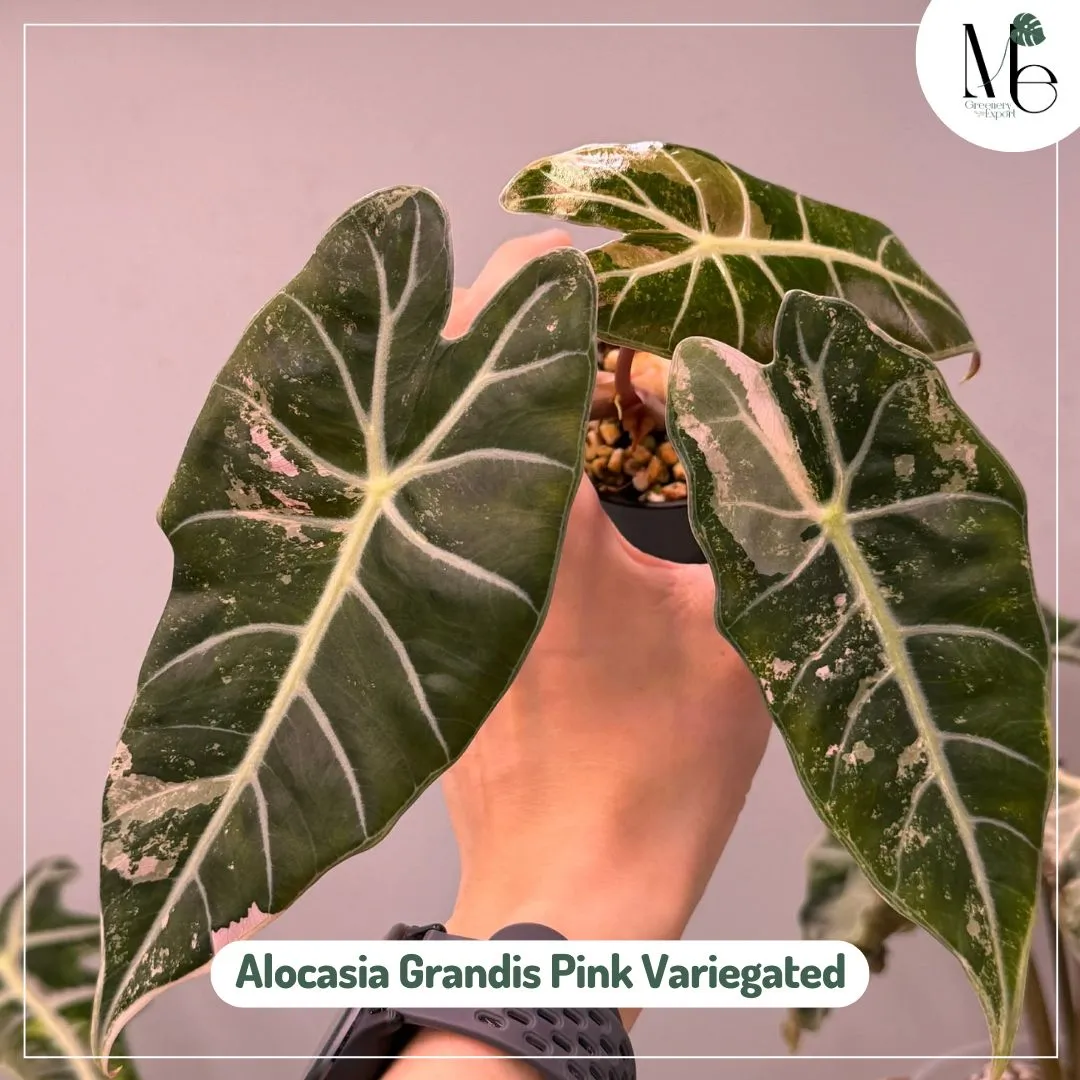
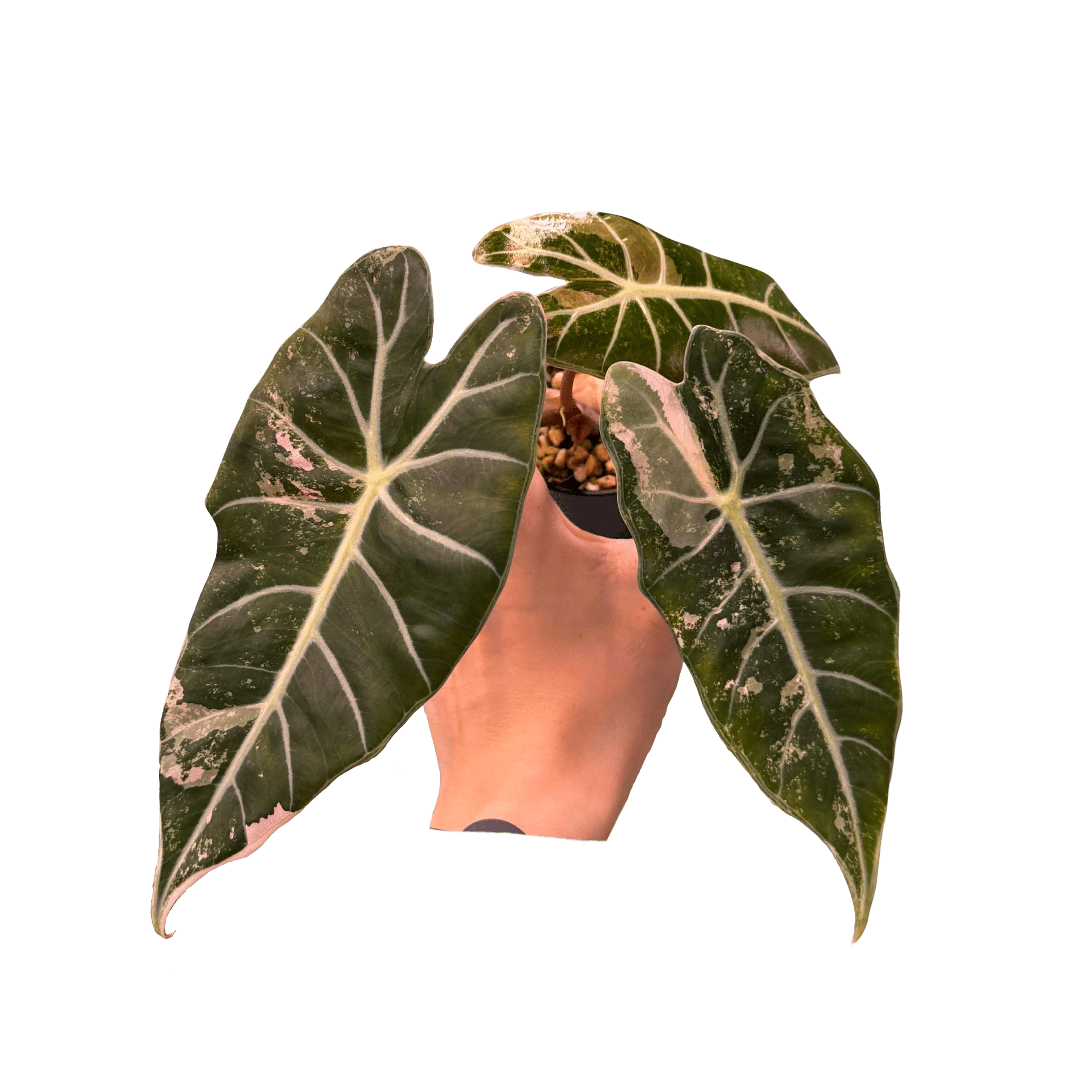
Alocasia Grandis Pink Variegated
This extraordinary variation of Alocasia Grandis breaks away from traditional green foliage with a spectacular multi-colored display. While keeping its classic silhouette—defined by elongated, shield-like arrowhead leaves and a sturdy, upright stance—it introduces an unpredictable mosaic of soft blush pink, cream, and deep olive-green. The contrast between the dark, glossy surface and the bright, pastel splashes gives the plant an almost painted appearance. Because the variegation develops in unique, marbled patterns on every new leaf, no two blades look exactly alike, making it a highly dynamic and visually captivating specimen to watch grow. How to care Light: Bright, filtered light is necessary to feed the green parts of the leaf and preserve the striking pink and cream patches. Steer clear of direct, harsh sunlight which easily burns the lighter tissue. Water: Supply water once the top 2 cm of the medium feels dry. Aim for a balanced routine where the substrate stays lightly damp but never completely waterlogged or muddy. Humidity: High humidity is key, preferably staying above 65%. Keeping the air moist helps protect the delicate, variegated sections of the leaves from drying out or crisping at the tips. Temperature: Keep the environment warm and stable, ideally between 18°C and 26°C. Ensure the plant is placed far away from cold drafts or the dry, direct breeze of an air conditioner. Soil: A highly porous, chunky open mix. Combining materials like coarse orchid bark, perlite, and pumice with a small amount of coco coir creates the perfect balance of moisture retention and root aeration. How to order *The first image is just for advertising. [post-views]
Share this:
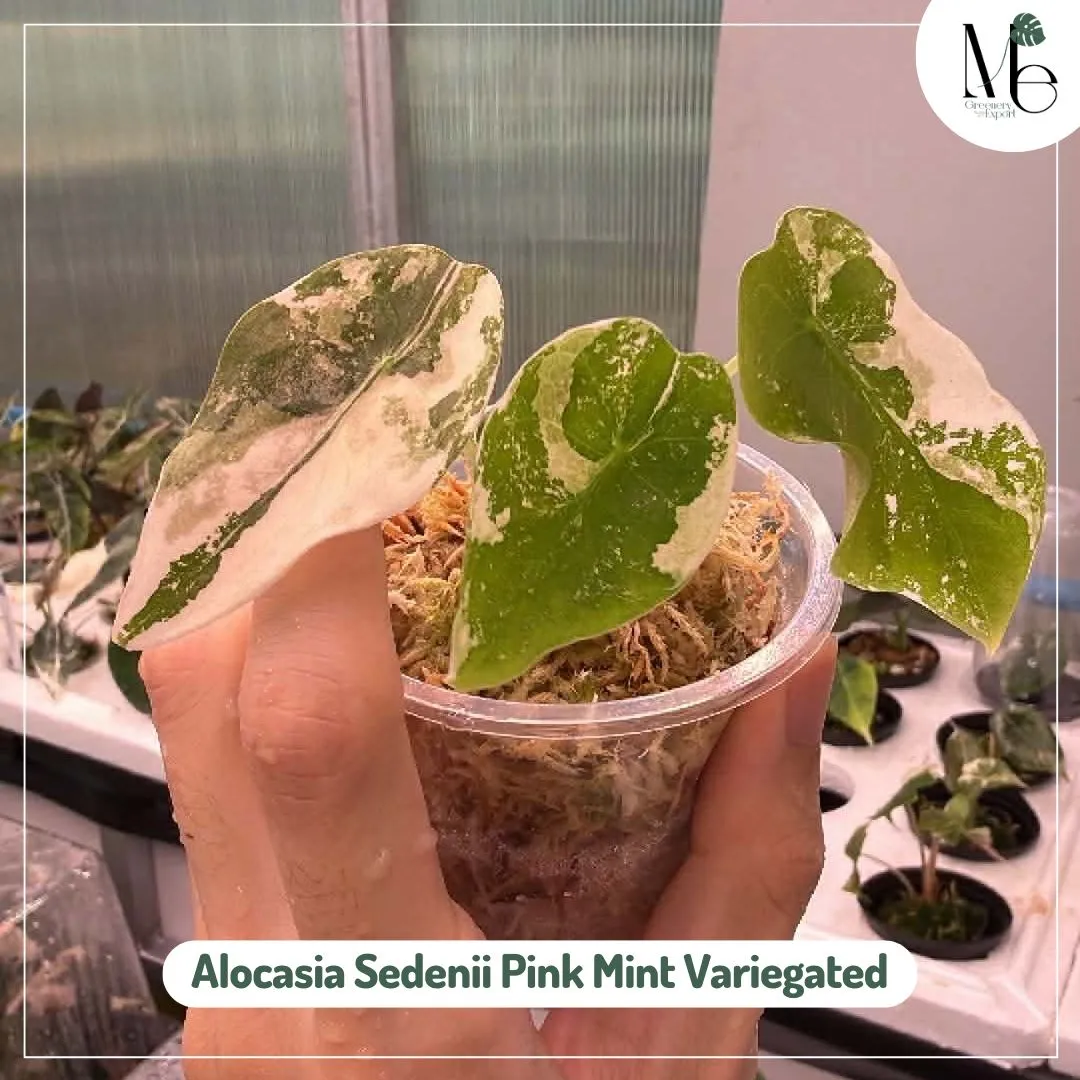
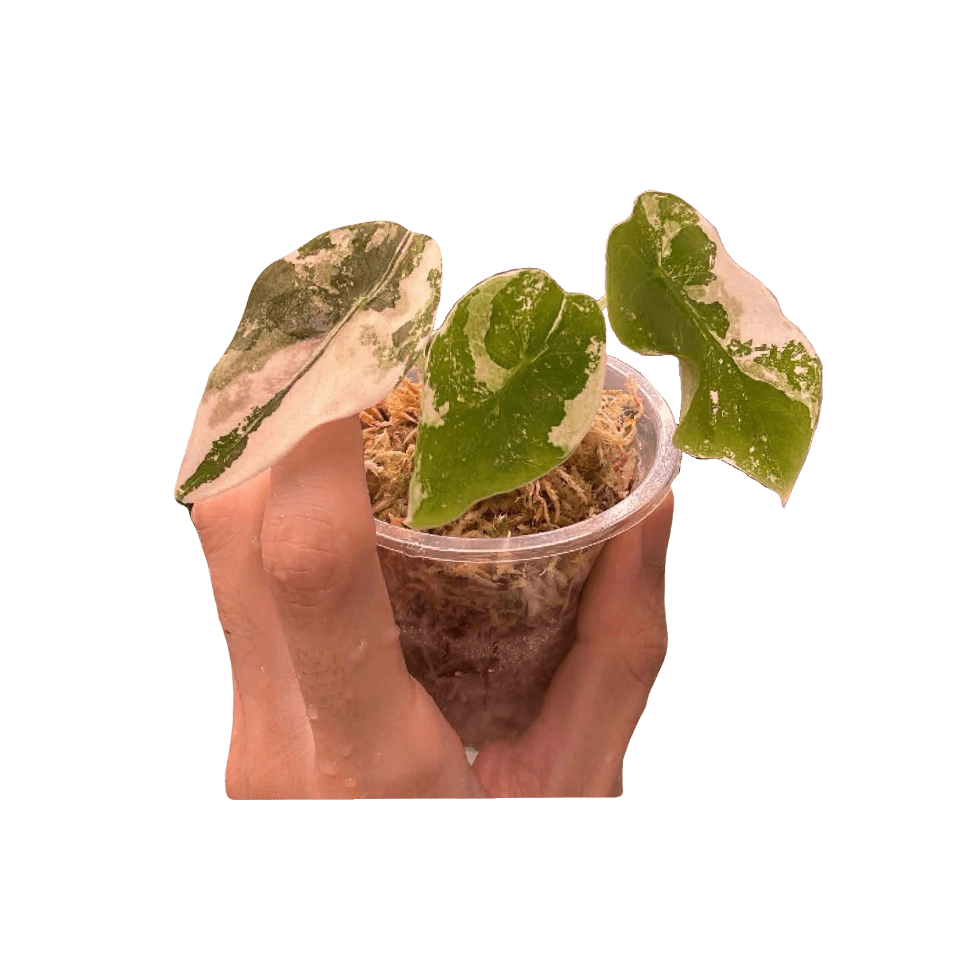
Alocasia Sedenii Pink Mint Variegated
The Alocasia Sedenii Pink Mint Variegated is an exceptional, ultra-rare hybrid (a cross between Alocasia cuprea and Alocasia longiloba Lowii) that features a breathtaking color mutation. The leaves carry a metallic, dark bronze-green base that inherits the shield-like structure and deep texture of its parentage, but it is heavily overlaid with soft mint-green and pastel pink variegation. The "mint" effect presents as a fine, frosted marbling across the leaf blade, while the pink hues manifest in stunning sectoral patches and along the prominent veins and petioles. This multi-toned, iridescent combination makes each leaf look like a living watercolor painting, making it a pinnacle specimen for high-end aroid collectors. How to care Light: Bright, indirect light. Strong, filtered light is crucial for maintaining the delicate pink and mint variegation patterns, but shield it completely from direct hot sun. Water: Water when the top 2 cm of the substrate feels dry. It prefers consistent moisture but is highly susceptible to root rot if left in soggy conditions. Humidity: High humidity is essential, keeping it at 70% or higher. Excellent air circulation is required alongside high humidity to keep the thin, variegated tissue from melting. Temperature: Warm and stable, ideally between 20°C and 28°C. Keep it well away from sudden cold drafts or dry air-conditioned airflow. Soil: An incredibly chunky, porous aroid mix. A base of premium orchid bark, perlite, pumice, and a touch of tree fern fiber or coco coir allows for maximum oxygen flow around the roots. How to order *The first image is just for advertising. [post-views]
Share this:
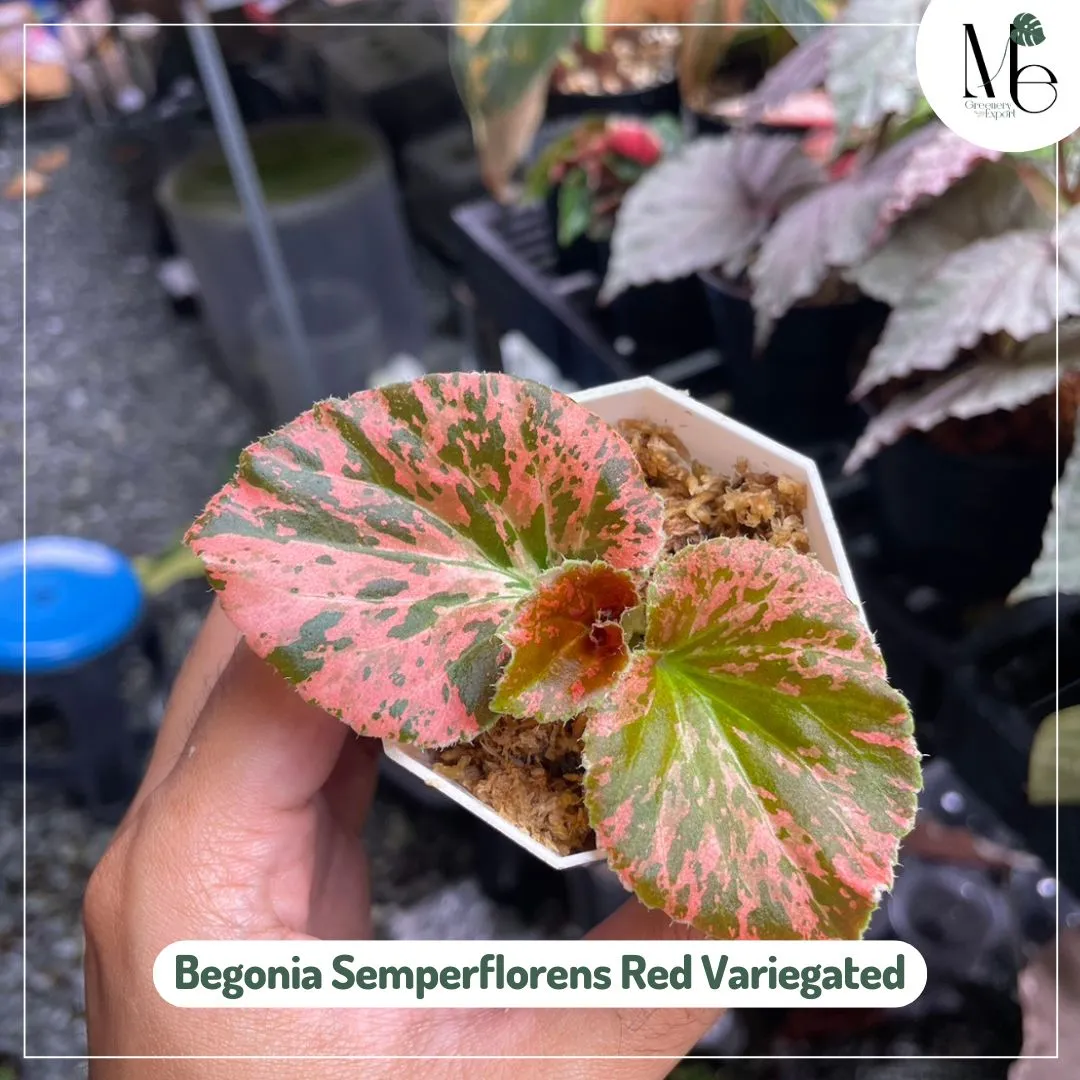
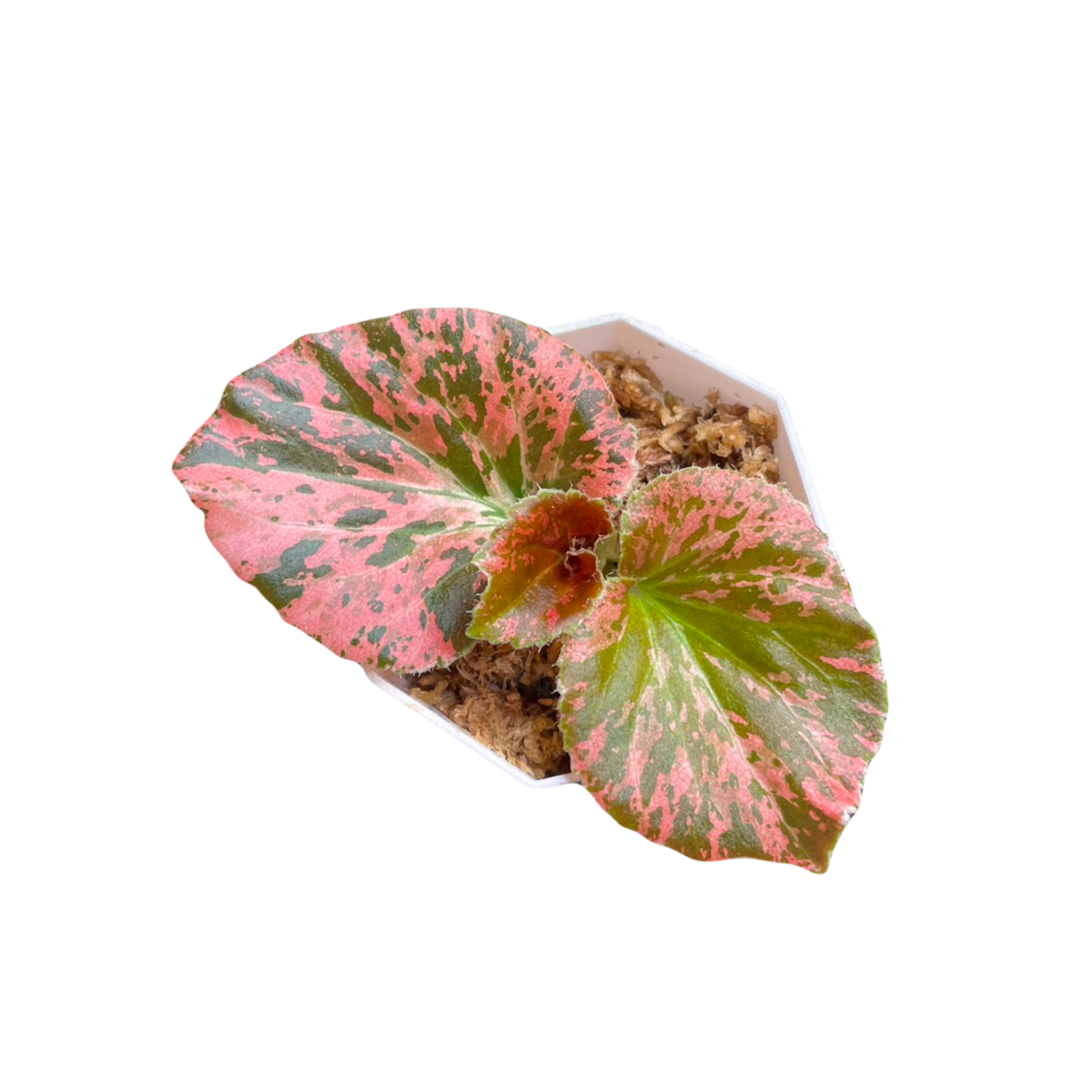
Begonia Semperflorens Red Variegated
The Begonia Semperflorens Red Variegated is a striking twist on the classic "Wax Begonia." This variety is loved for its waxy, succulent-like leaves that feature a beautiful variegation, mixing deep forest green with irregular splashes of soft old-rose pink. Its most charming feature is the contrast between the variegated foliage and its bright, vibrant red blooms that appear throughout the year. Compact and bushy, this begonia is perfect for adding a pop of color to small spaces or mixed planters. The thick, glossy leaves give it a polished, sturdy appearance that holds up well in a variety of settings. How to care Light: Bright, indirect light is best. It can handle some direct morning sun, which helps intensify the pink tones and encourages more blooms. Water: Water when the top 2 cm of soil feels dry. This variety is slightly more drought-tolerant than other begonias due to its waxy leaves, but it should not stay dry for long. Humidity: Moderate. It is more adaptable to average indoor humidity than rare forest begonias, but it appreciates being away from very dry air. Temperature: Thrives in a range of 18°C to 27°C. Protect it from frost and extreme heat above 32°C. Soil: A well-draining, fertile potting mix. A standard indoor potting soil with a little extra perlite works perfectly. How to order *The first image is just for advertising. [post-views]
Share this:
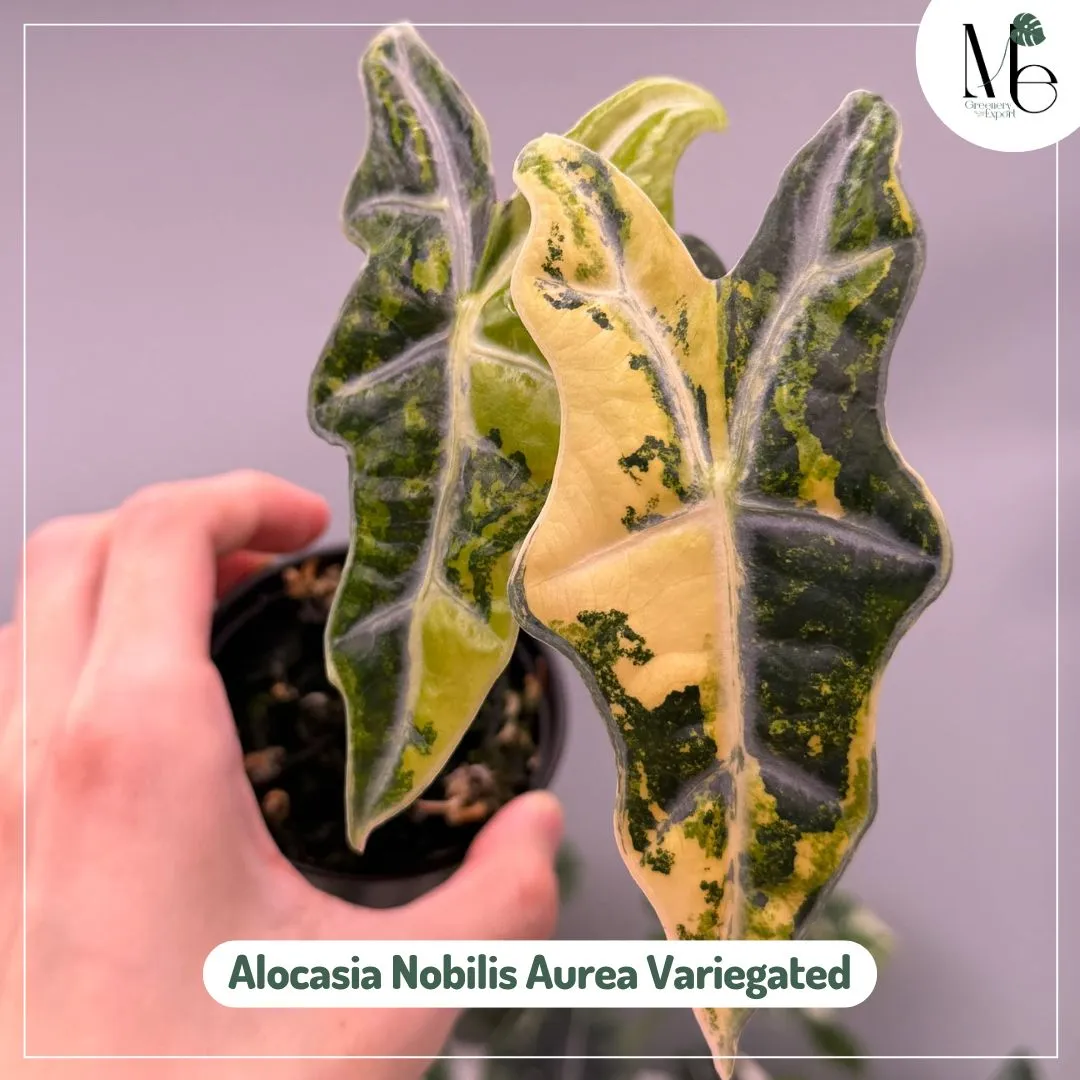
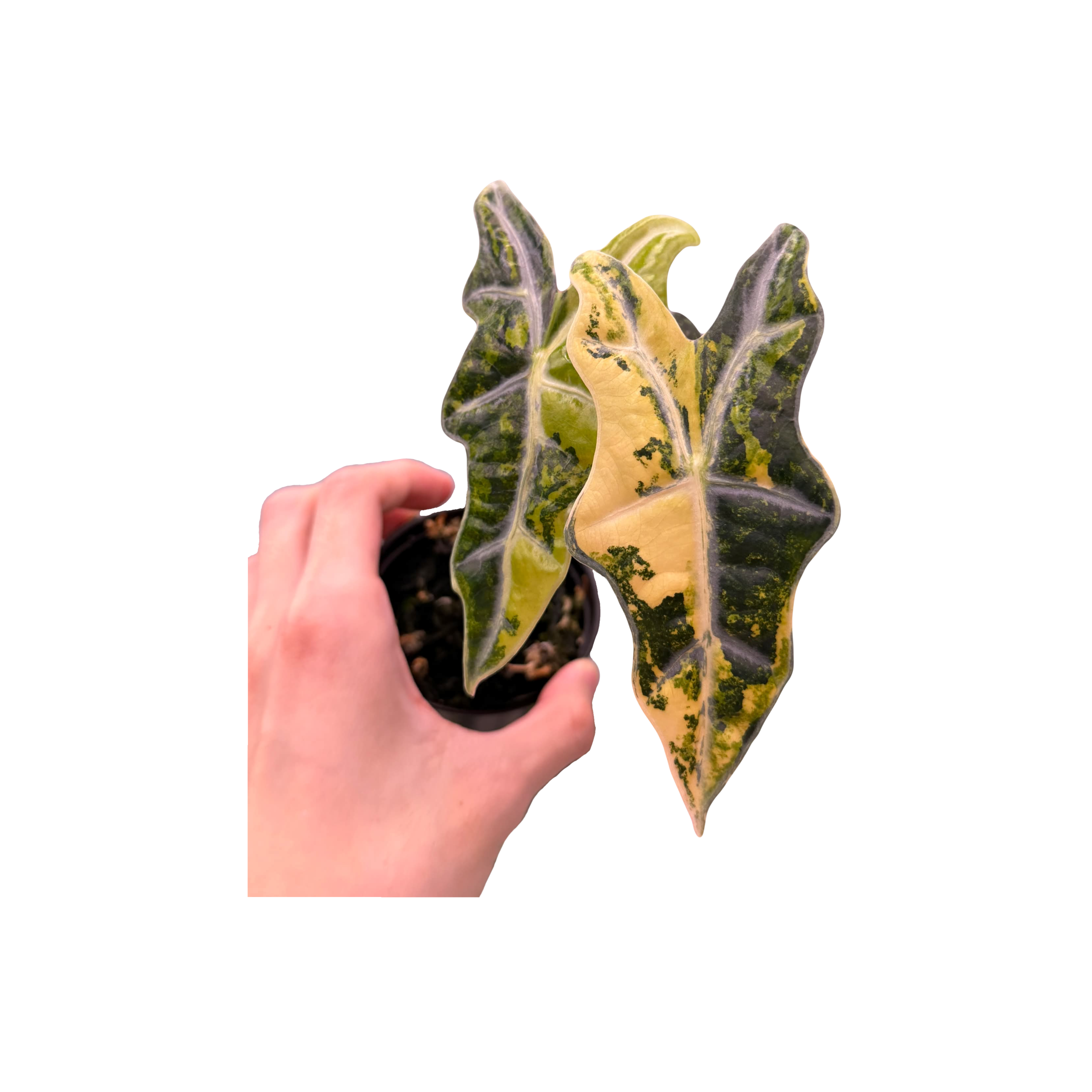
Alocasia Nobilis Aurea Variegated
The Alocasia Nobilis Aurea Variegated is a high-contrast collector’s piece defined by its deeply lobed, arrowhead-shaped leaves and sharp, narrow silhouette. This variety is celebrated for its vibrant yellow (Aurea) variegation, which appears in irregular marbled patterns and bold sectoral splashes against the dark green blade. The architectural form of the Nobilis is enhanced by the warm golden tones, creating a striking visual contrast. Its jagged edges and slender growth habit give it a sophisticated, prehistoric look, making it a premier choice for those seeking a combination of geometric drama and rare color mutation. How to care Light: Bright, indirect light. Strong light is necessary to maintain the Aurea variegation, but avoid direct sun to prevent scorching the yellow patches. Water: Water when the top 2 cm of soil is dry. Ensure consistent moisture without allowing the substrate to become waterlogged or completely bone-dry. Humidity: High humidity is essential, ideally 65% or higher, to prevent the leaf tips from browning and to support new growth. Temperature: Prefers a stable, warm range between 18°C and 28°C. Protect the plant from cold drafts and sudden temperature fluctuations. Soil: A chunky, well-aerated aroid mix. A blend of orchid bark, perlite, and coco coir provides the drainage and oxygen flow required for its roots. How to order *The first image is just for advertising. [post-views]
Share this:

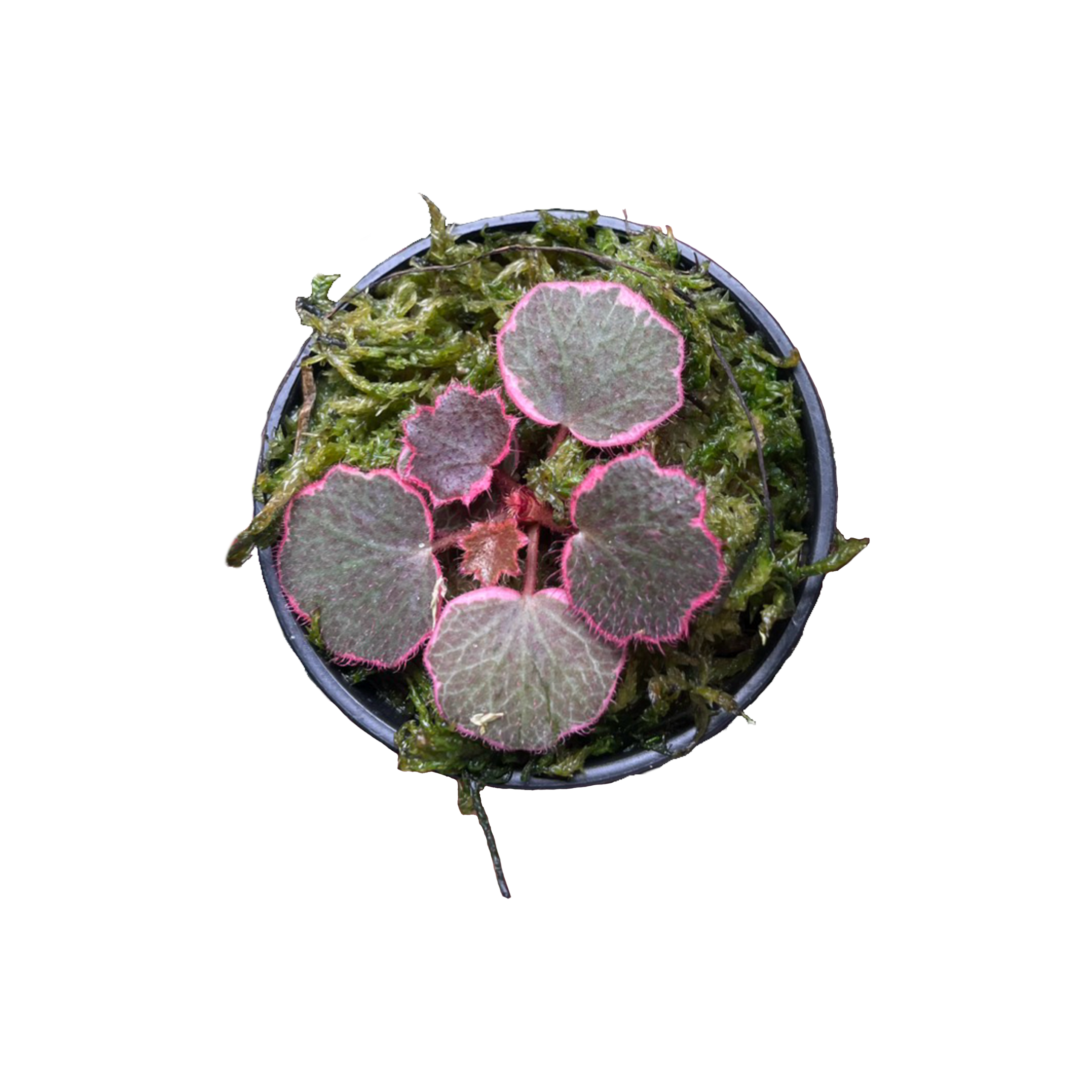
Saxifraga Stolonifera (Strawberry Begonia)
The Saxifraga Stolonifera Variegated is a cute colorful twist on a classic favorite. It is nicknamed "Begonia" because its asymmetrical, fuzzy leaves and habit of creeping along the ground closely mimic the appearance and growth of many rhizomatous Begonia species. This variegated form features creamy white to soft pink margins that frame silver-veined, olive-green centers. The plant produces bright red stolons (runners) that cascade downward, carrying lovely tiny variegated plantlets. This "strawberry-like" growth habit, combined with the tri-color foliage, makes it a highly decorative choice for hanging displays. How to care Light: Bright, indirect light. Higher light levels are essential to keep the pink and white variegation vibrant. Water: Keep soil evenly moist. Water when the top 1 cm of soil is dry; avoid letting it sit in water. Humidity: Moderate to high. Low humidity may cause the variegated leaf edges to become brown and crisp. Temperature: Prefers cooler environments, ideally between 18°C and 24°C. Soil: A light, well-draining potting mix that retains a bit of moisture without becoming waterlogged. How to order *The first image is just for advertising. [post-views]
Share this:
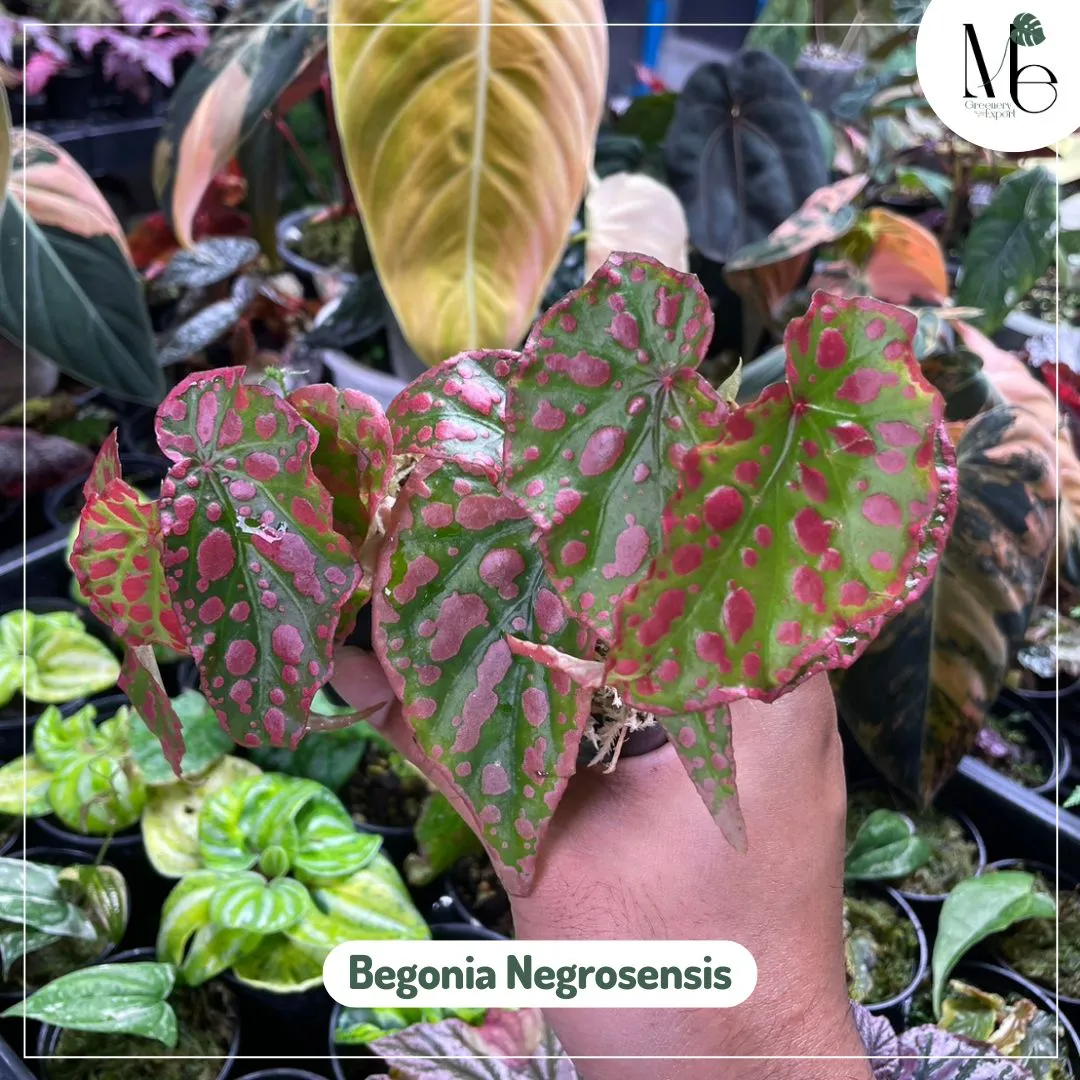
Begonia Negrosensis
Begonia negrosensis is a stunning species which is highly prized for its elongated, serrated leaves and dramatic, high-contrast coloration. The foliage features a deep, nearly black or dark green background that is heavily splashed with high-saturation pink edges and spots. Its upright, cane-like growth habit and intense "neon" spotting make it a spectacular focal point for collectors. As a forest-floor species, it offers a unique, exotic texture that stands out in any indoor garden, providing a rare combination of dark tones and brilliant color. How to care Light: Bright, indirect light. Maintain good light levels to keep the pink spots vivid, but avoid direct sunlight to prevent leaf burn. Water: Keep the soil consistently moist but not soggy. Water when the top surface feels slightly dry to the touch. Humidity: High humidity is essential, ideally 70% or higher. This species thrives best in a terrarium, cloche, or a humid plant cabinet. Temperature: Prefers stable, warm conditions between 18°C and 27°C. Keep away from cold drafts and air conditioning vents. Soil: A light, airy, and well-draining substrate. A mix of peat moss, perlite, and bark works well to provide aeration and moisture retention. How to order *The first image is just for advertising. [post-views]
Share this:
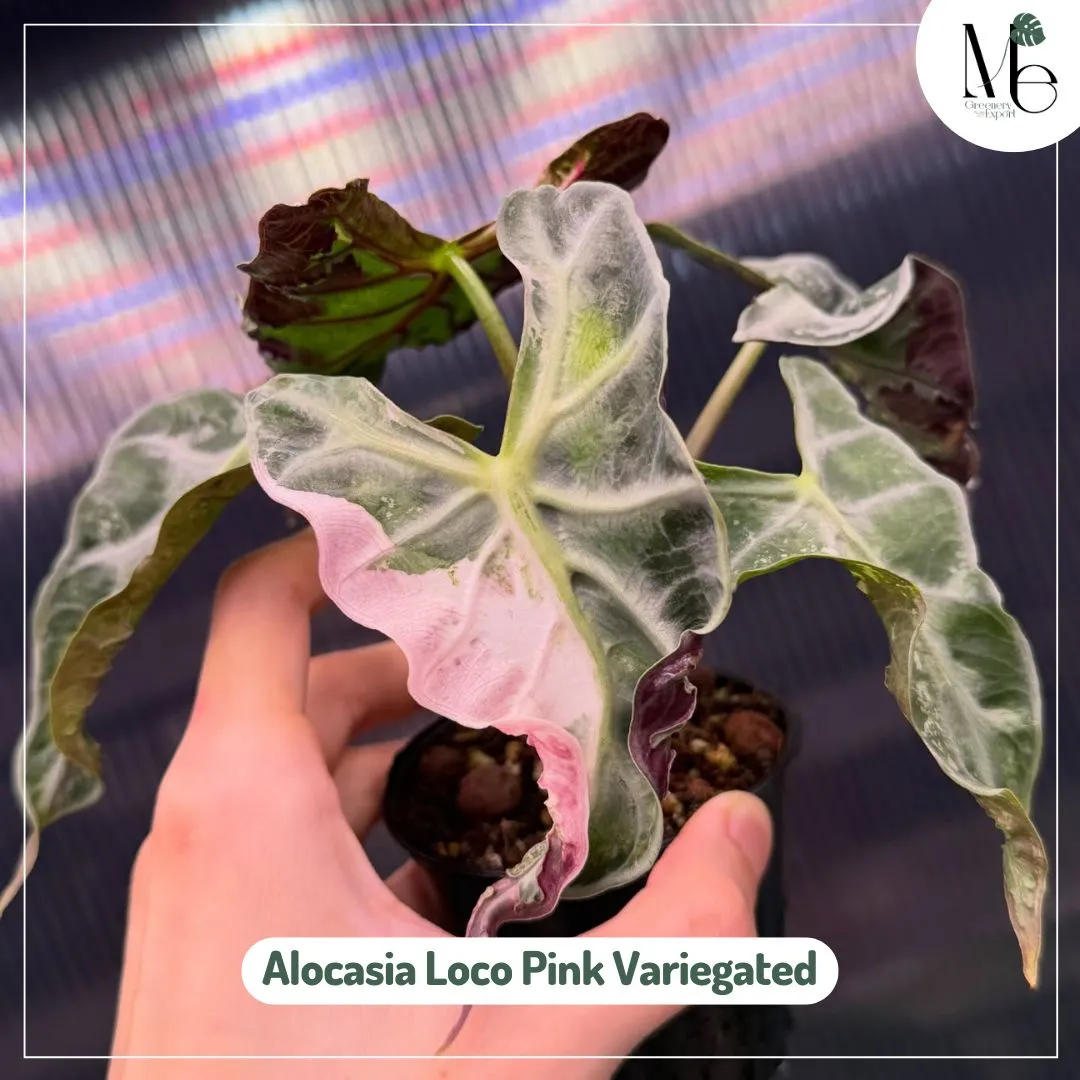
Alocasia Loco Pink Variegated
The Alocasia Loco Pink Variegated is a striking mutation of the "Loco" cultivar, known for its distorted, wavy leaf margins and architectural form. This variety features dark green, glossy foliage with a distinctive reflexed shape, where the leaves curl and twist in a sculptural fashion. The "Pink" variegation introduces soft pastel pink and blush tones that contrast against the deep green base. Unlike standard flat-leaved Alocasias, the Loco’s unique crinkled texture creates a 3D effect, making it a standout choice for collectors interested in unusual mutations and subtle color palettes. How to care Light: Bright, indirect light; pink areas are sensitive to harsh, direct rays. Water: Keep soil consistently moist but not saturated; water when the top 1 cm is dry. Humidity: High humidity (70% or more) is vital to prevent leaf curling or browning. Temperature: Maintain a steady range of 18°C to 28°C. Soil: Airy, well-draining aroid mix with coco coir and perlite. How to order *The first image is just for advertising. [post-views]
Share this:
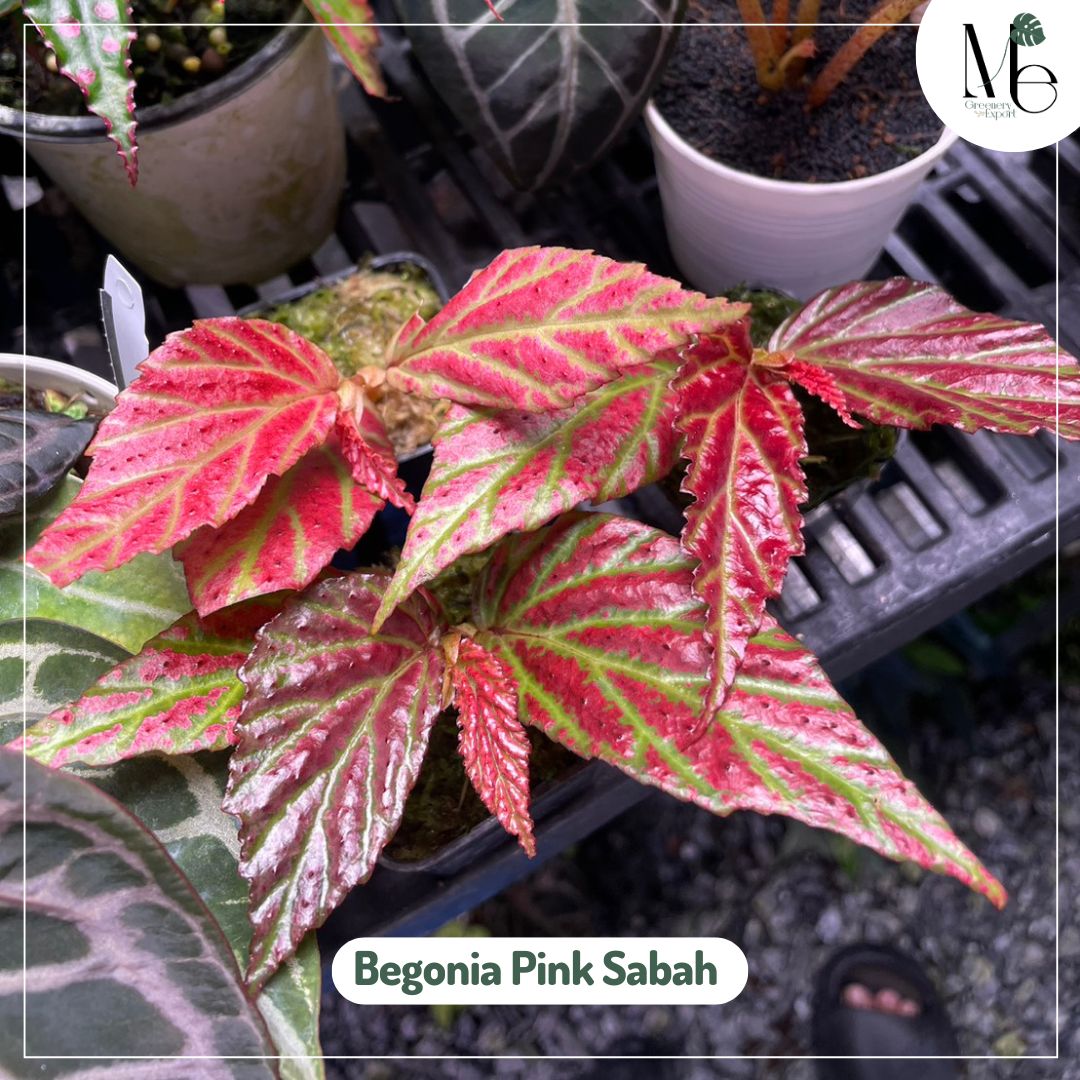
Begonia Pink Sabah
Begonia Pink Sabah is a sought-after rhizomatous species native to the rainforests of Borneo. It is highly regarded for its iridescent, metallic foliage that displays a vivid fuchsia to deep pink glow under specific lighting conditions. The leaves are typically rounded with a slightly pebbled texture, creating a shimmering effect across the surface. This species is prized for its intense saturation and compact growth habit. Unlike many common hybrids, its color remains remarkably vibrant as the plant matures, making it a premier choice for enthusiasts of forest-floor flora and those looking to add a natural neon element to their collection. How to care Light: Low to medium indirect light. Avoid direct sun, which can bleach the metallic pink pigments. Water: Keep the substrate consistently moist but never waterlogged. It is sensitive to drying out completely. Humidity: Requires very high humidity (80% or higher). It is best suited for a terrarium, cloche, or enclosed plant cabinet. Temperature: Prefers stable, warm conditions between 20°C and 26°C. Avoid cold drafts. Soil: Well-draining, moisture-retentive mix such as long-fiber sphagnum moss or a peat-perlite blend. How to order *The first image is just for advertising. [post-views]
Share this:
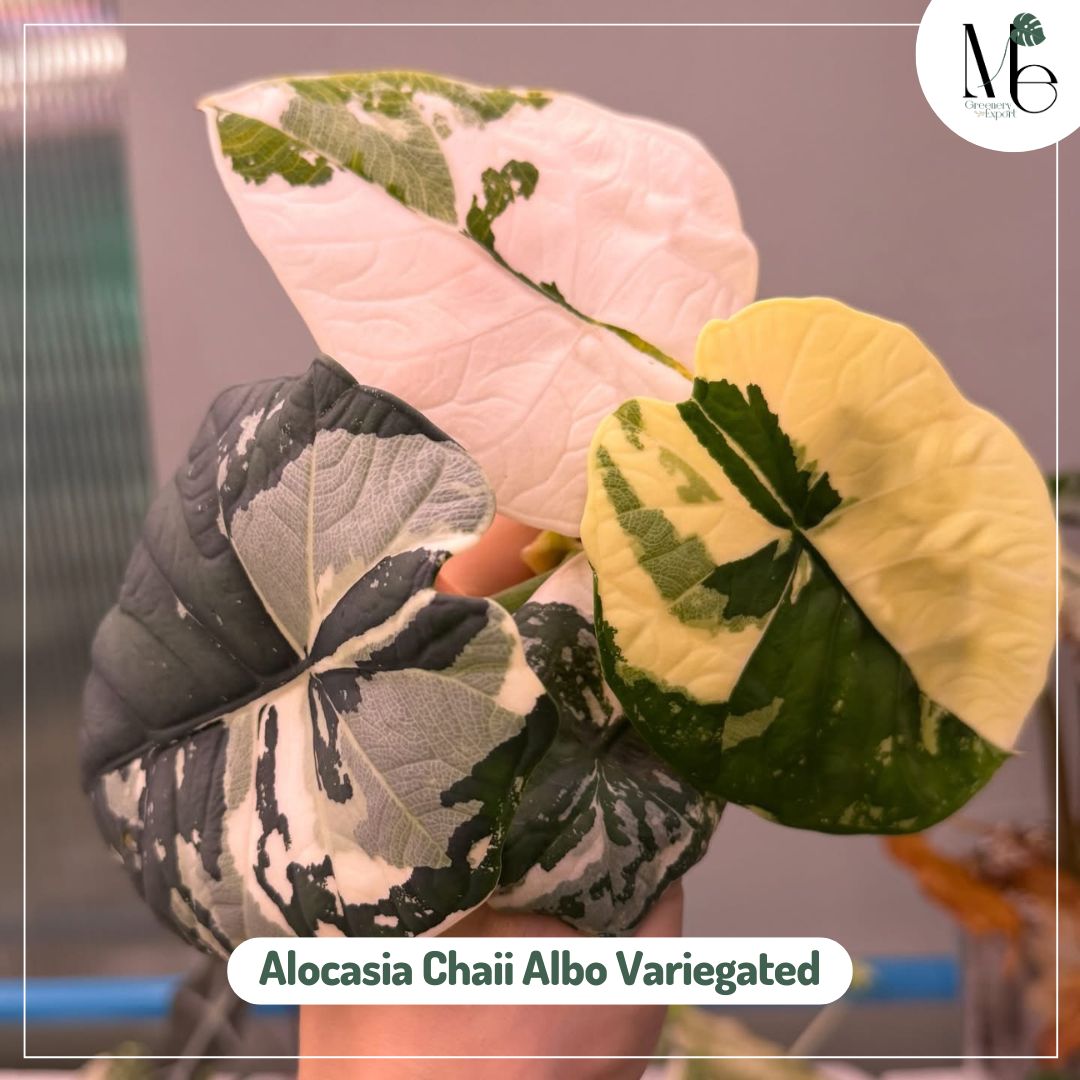
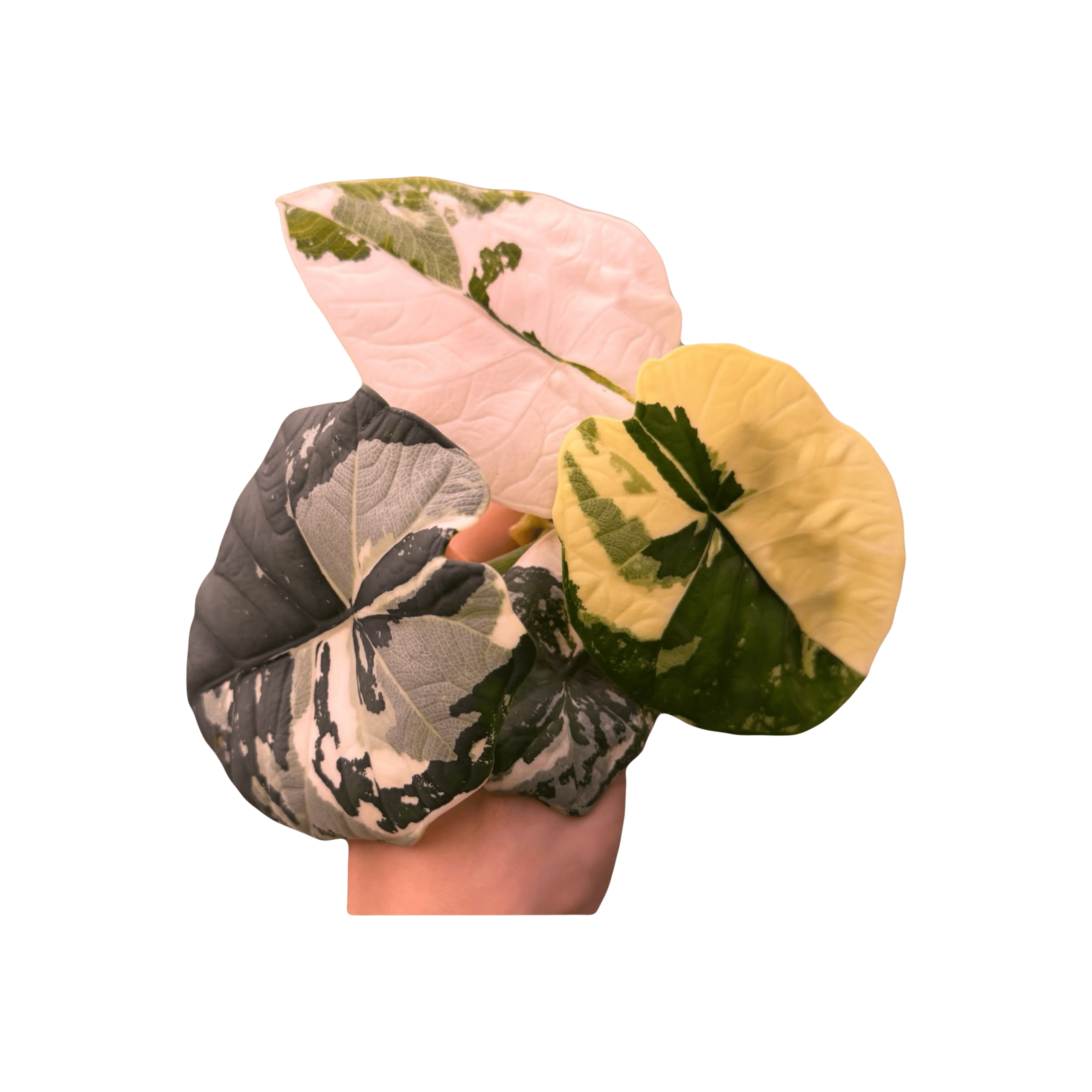
Alocasia Chaii Albo Variegated
The Alocasia Chaii Albo Variegated is a distinct tropical aroid known for its thick, rigid leaves and puckered texture. Unlike many thin-leaved Alocasias, the Chaii has a bullate surface that gives it a sturdy, sculptural look. This variegated form features irregular splashes of creamy white against a deep green background. Because the variegation occurs randomly, each leaf provides a different visual pattern. It remains relatively compact, making it a practical option for indoor spaces or plant cabinets where you want a combination of interesting texture and varied color without the plant becoming unmanageable. How to care Light: Bright, indirect light. Avoid direct sun to prevent foliage burn. Water: Water when the top 2 cm of soil is dry. Avoid waterlogged substrate. Humidity: Maintain levels above 60% for optimal leaf health. Temperature: Keep between 18°C and 27°C; avoid drafts below 15°C. Soil: Aroid mix (bark, perlite, and peat) to ensure rapid drainage. How to order *The first image is just for advertising. [post-views]
Share this:
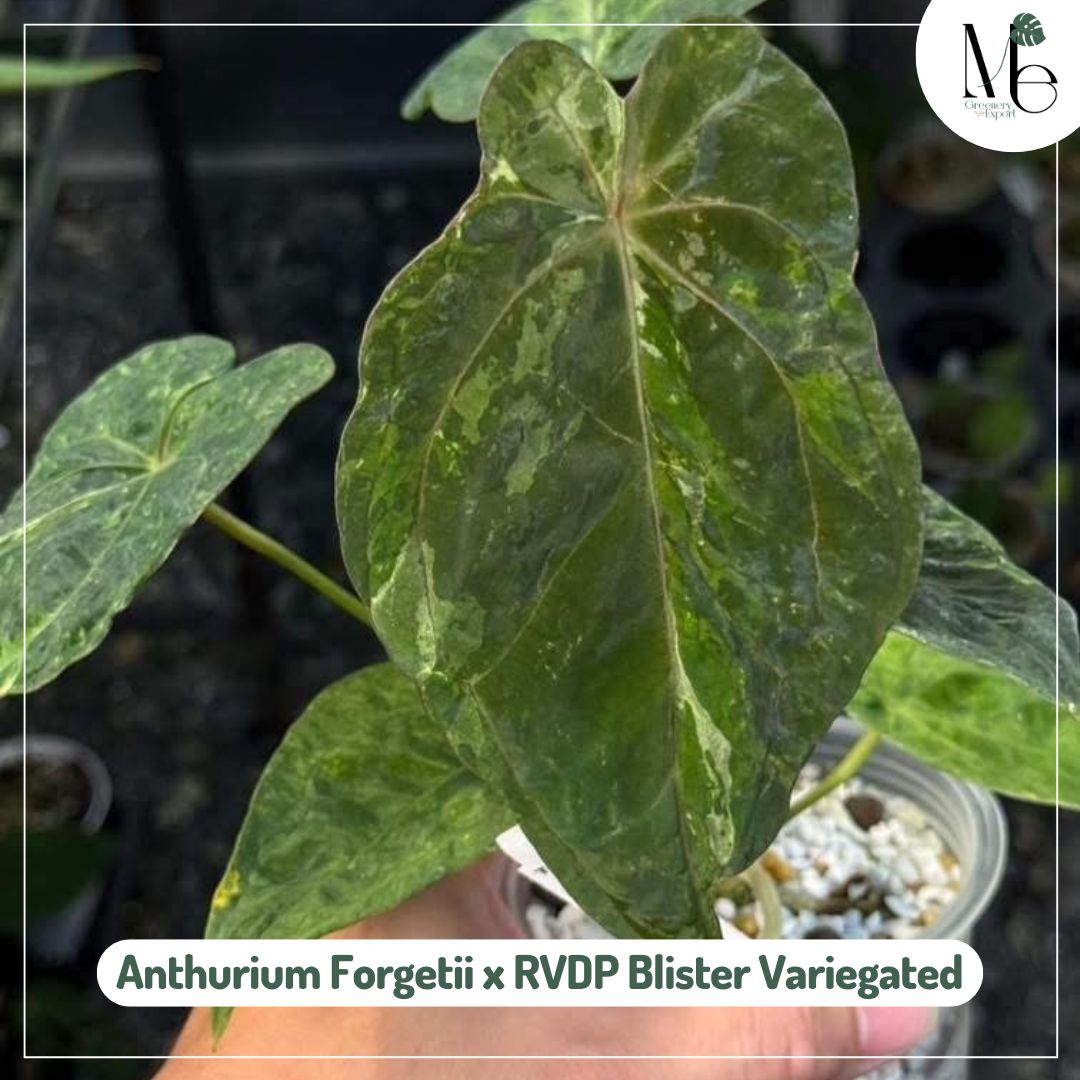
Anthurium Forgetii x RVDP Blister Variegated
The Anthurium Forgetii x RVDP Blister Variegated is a sophisticated hybrid that combines the "round-top" (sinus-less) leaf shape of the Forgetii with the sharp, geometric lines of the RVDP. This specific "Blister" selection is prized for its corrugated, bumpy texture—often referred to as blistering—which adds a tactile, 3D dimension to the velvet surface. The variegation appears as irregular marbling or sectoral splashes of cream and pale yellow. Because the veins are naturally prominent, the interplay between the silver-blue shimmer of the leaf and the warm tones of the variegation makes this a highly sculptural specimen for serious aroid collections. How to care Light: Strong, indirect light. Variegated velvet Anthuriums need high light to maintain color but should never face direct sun. Water: Water when the top 1–2 cm of the substrate is dry. They prefer consistent moisture without being soggy. Humidity: High humidity is critical (75% or higher) to prevent "stuck" leaves or crisping on the blistered sections. Temperature: Best kept between 20°C and 28°C with good air circulation to prevent fungal spots. Soil: Chunky, professional aroid mix (coarse bark, sphagnum moss, and perlite) for maximum aeration.
How to order *The first image is just for advertising. [post-views]Share this:
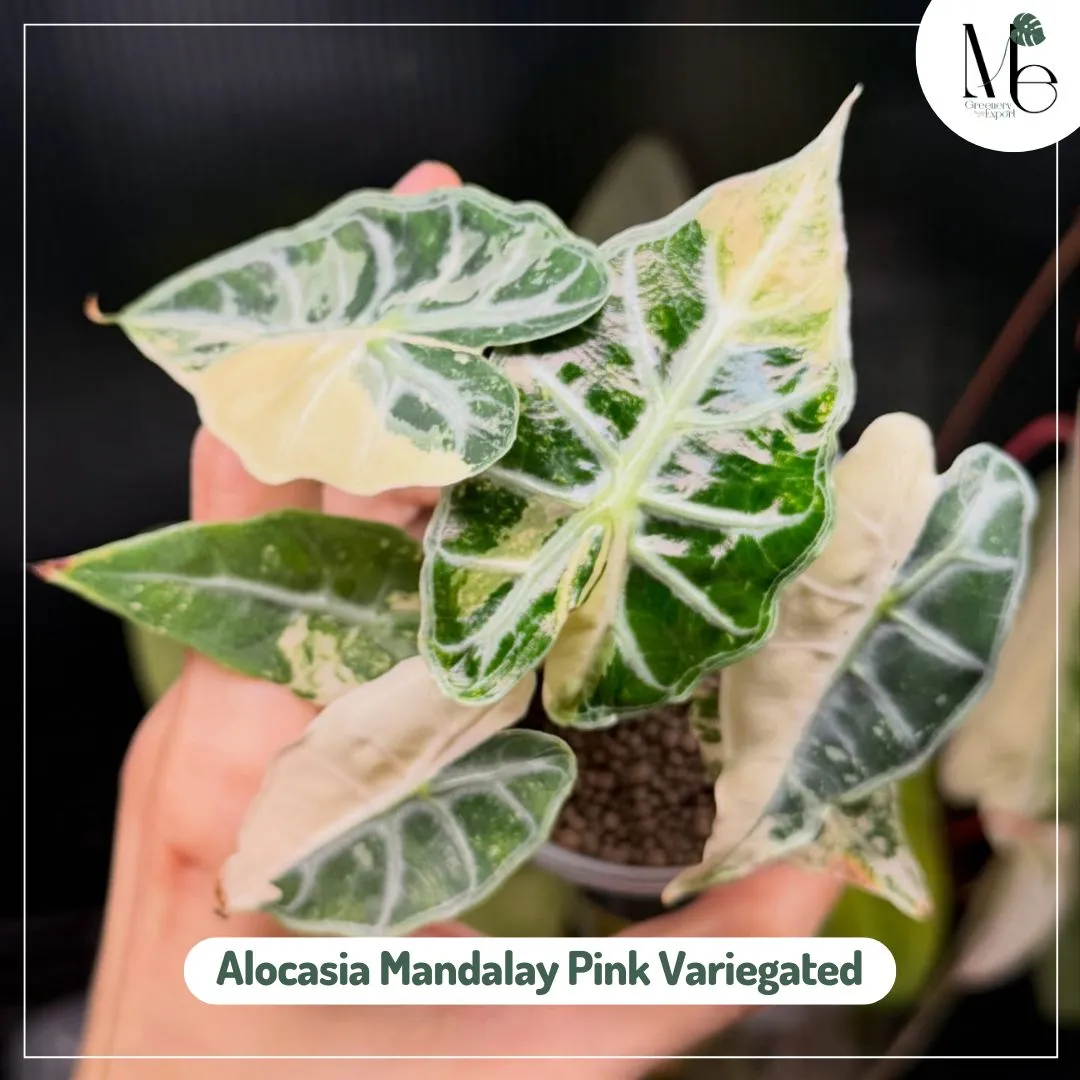
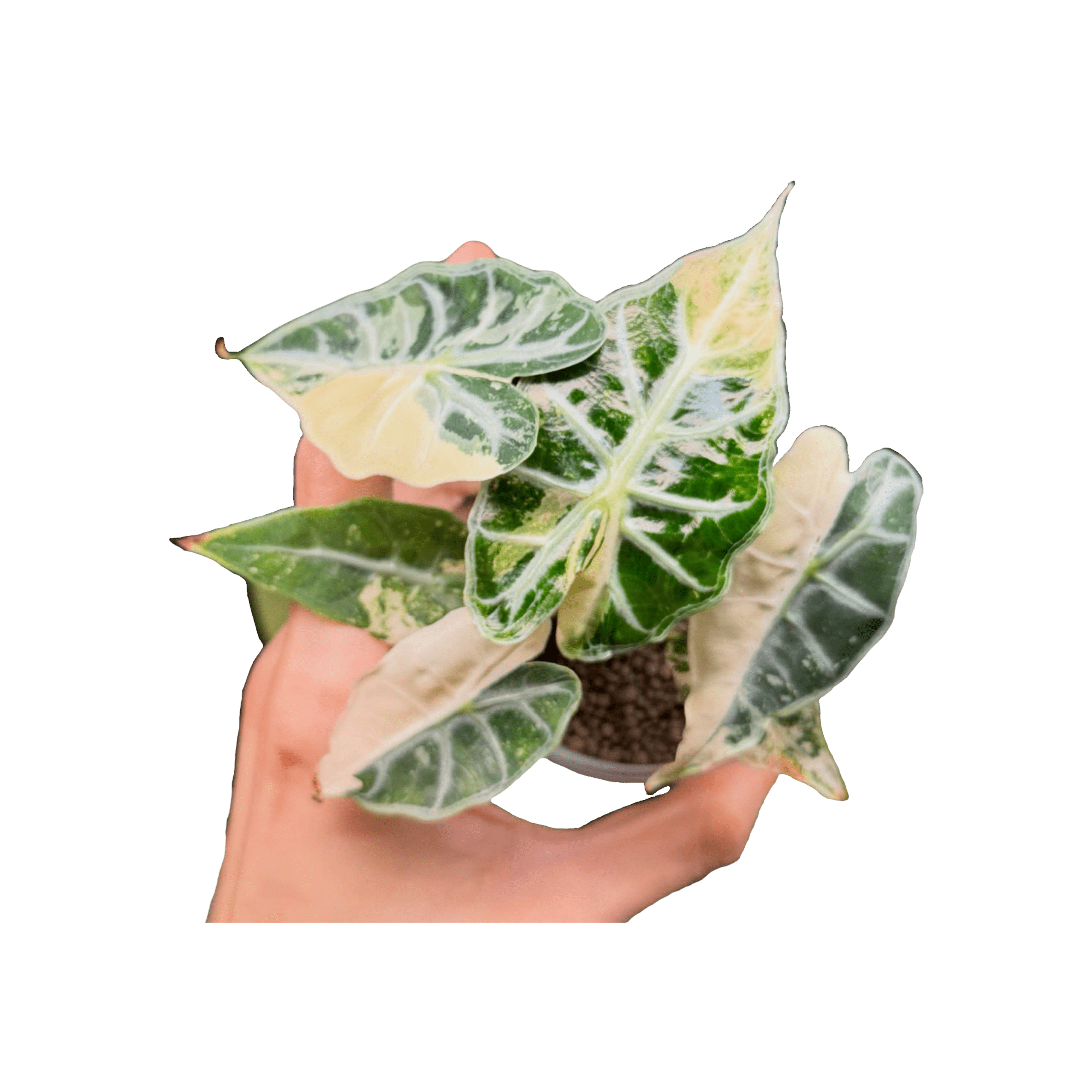
Alocasia Mandalay Pink Variegated
Alocasia Mandalay Pink Variegated is a rare and visually stunning aroid featuring broad, arrow-shaped leaves with soft pink variegation set against deep green foliage. Each leaf displays unique patterns, creating a delicate yet dramatic tropical display that captivates collectors. Its lush, sculptural form and jewel-like coloration make it a statement piece for any indoor collection, adding elegance, vibrancy, and exotic charm to plant enthusiasts’ spaces. How to care Light: Bright, indirect light to enhance pink variegation without scorching Water: Water when the top portion of the substrate dries Humidity: Moderate to high humidity supports stable leaf development Temperature: Keep warm and avoid sudden changes Soil: Use a fast-draining, airy aroid mix How to order *The first image is just for advertising. [post-views]
Share this:
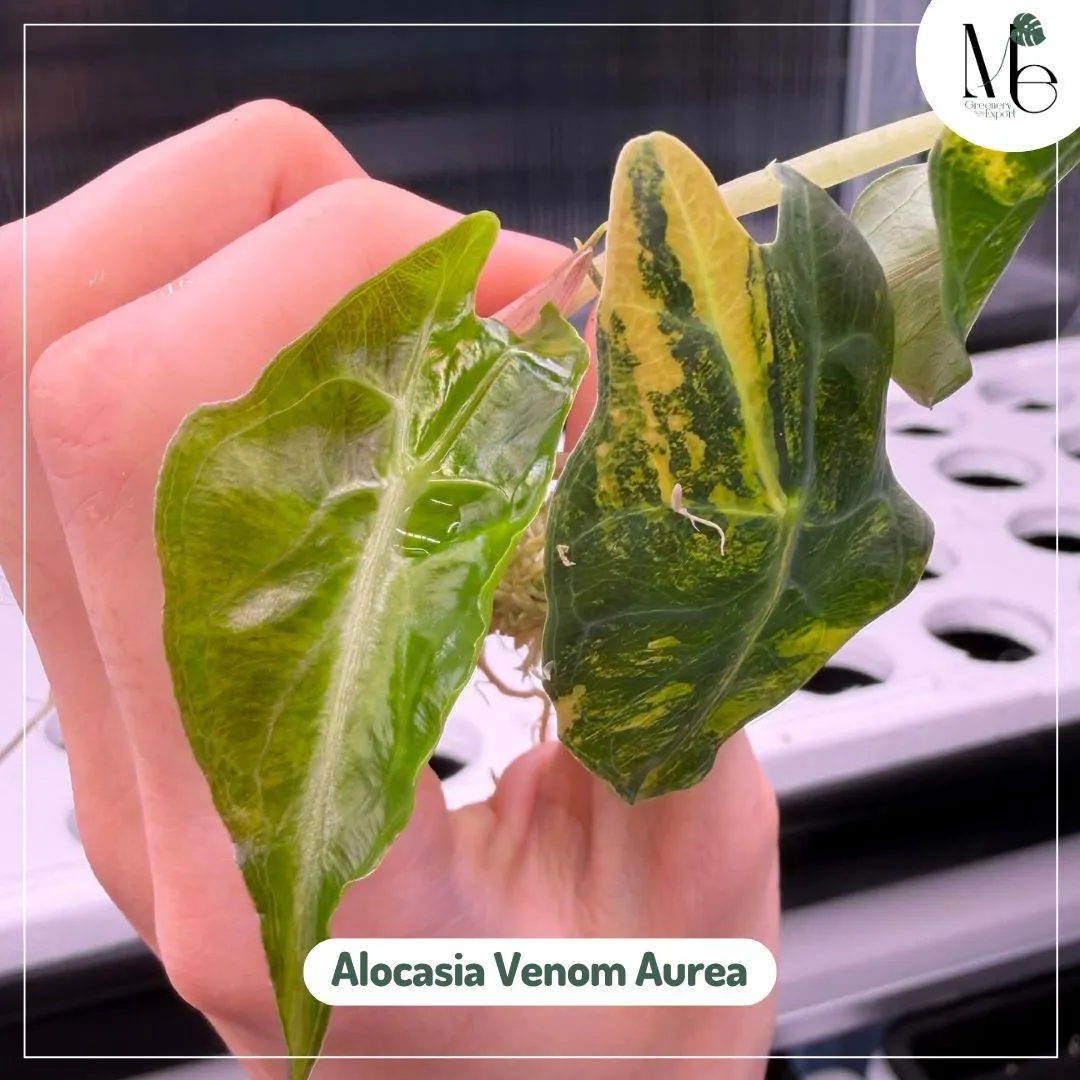
Alocasia Venom Aurea
Alocasia Venom Aurea is a rare and striking aroid prized for its elongated, arrow-shaped leaves with vivid golden-yellow variegation that seems to glow against deep green undertones. Its dramatic form, glossy texture, and bold coloration make it a statement piece for any indoor collection. This exotic beauty adds tropical elegance and visual impact, appealing to collectors seeking a unique, high-end specimen with sculptural presence and jewel-like foliage. How to care Light: Bright, indirect light to maintain vibrant variegation Water: Water when the top layer of substrate begins to dry Humidity: Moderate to high humidity for healthy leaf development Temperature: Keep warm conditions and avoid sudden fluctuations Soil: Use a well-draining, airy aroid mix How to order *The first image is just for advertising. [post-views]
Share this:
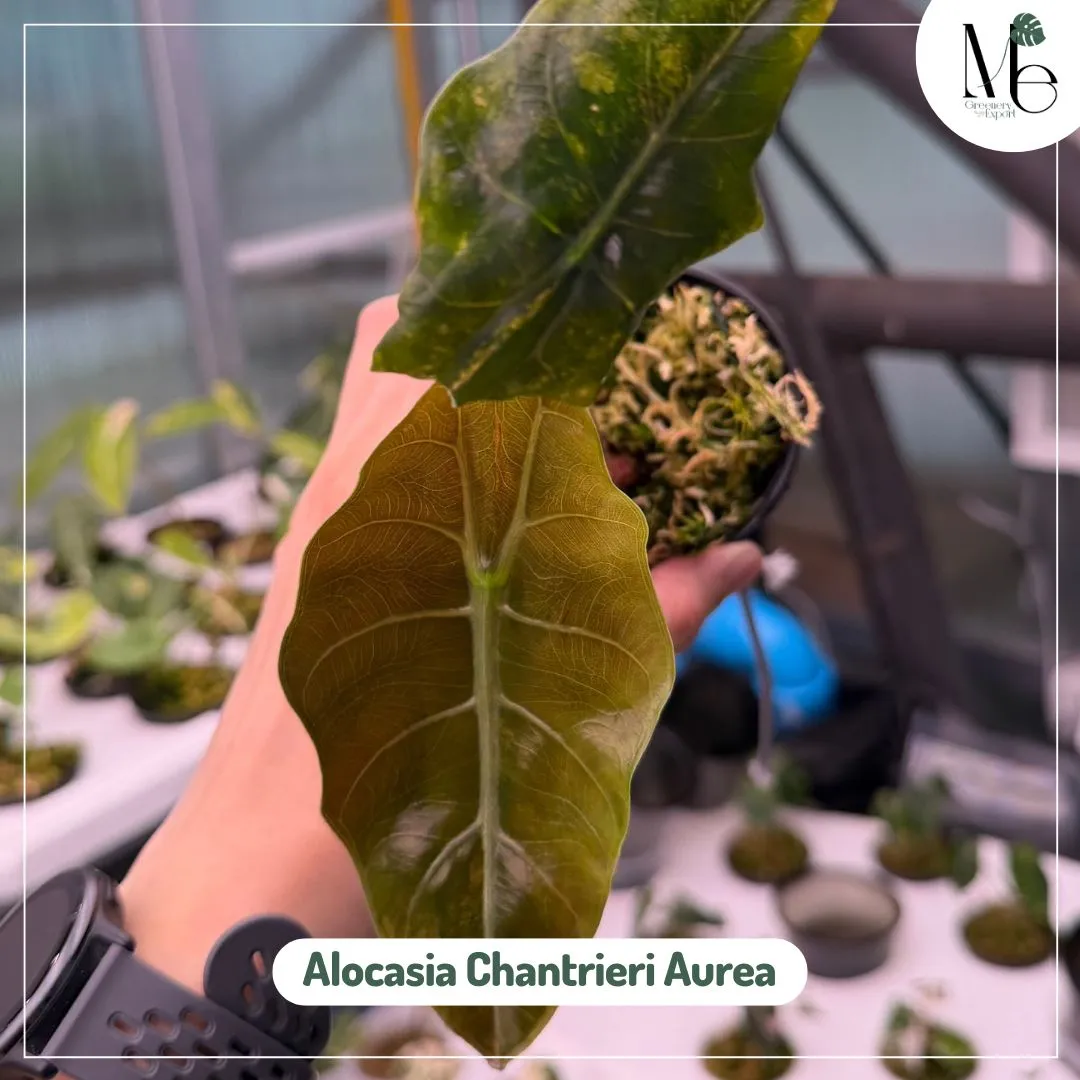
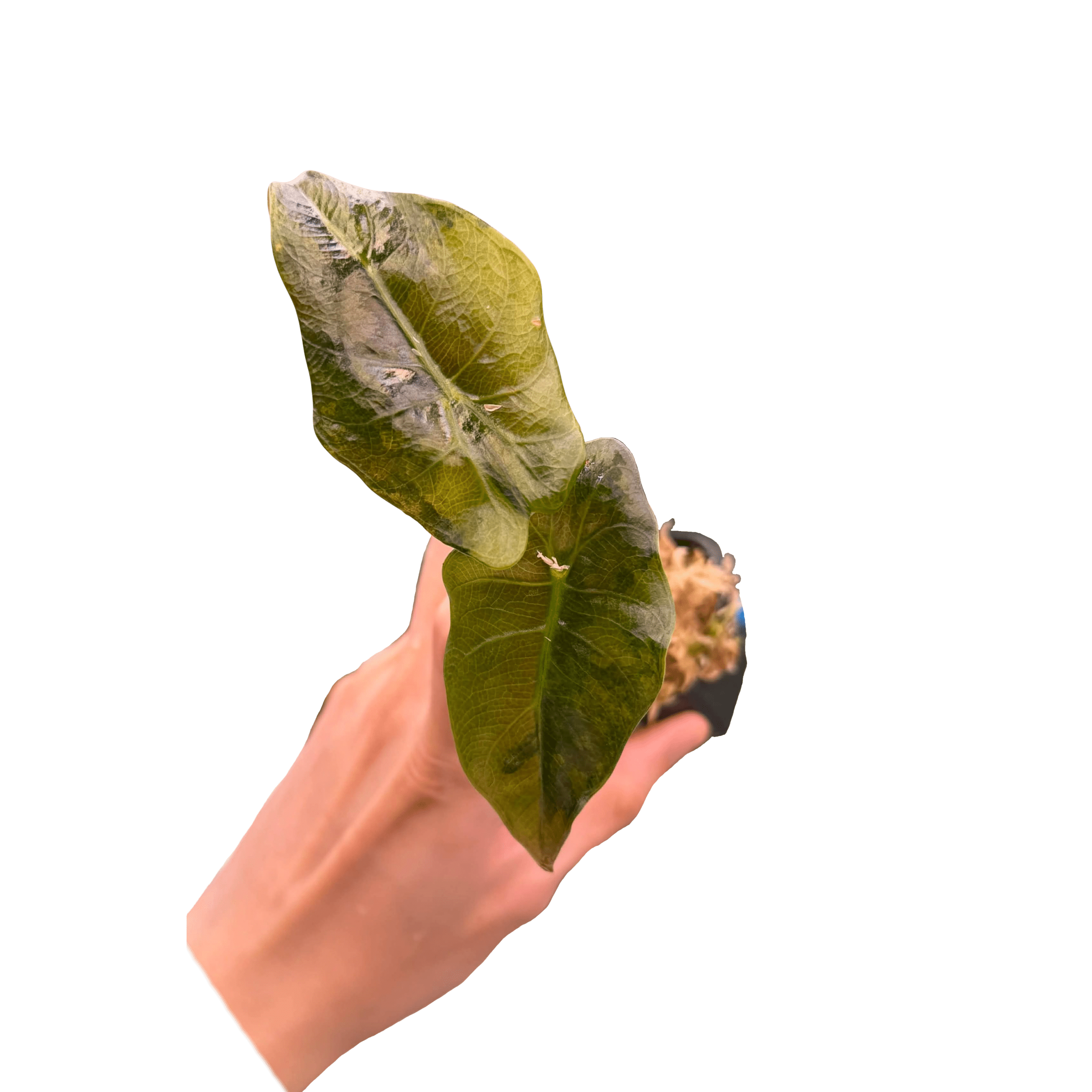
Alocasia Chantrieri Aurea
Alocasia Chantrieri Aurea is a rare and dramatic aroid renowned for its large, glossy, elephant-ear shaped leaves with striking golden-yellow variegation. The bold contrast between the metallic sheen and deep green undertones creates a luxurious, sculptural appearance, making it a standout centerpiece in any collection. Its majestic foliage and tropical elegance appeal to serious collectors seeking a high-impact, visually captivating specimen that exudes rarity and sophistication. How to care Light: Bright, indirect light to preserve golden variegation Water: Water when the top layer of substrate begins to dry Humidity: Moderate to high humidity promotes healthy leaf development Temperature: Keep warm and avoid sudden fluctuations Soil: Use a well-draining, airy aroid mix How to order *The first image is just for advertising. [post-views]
Share this:
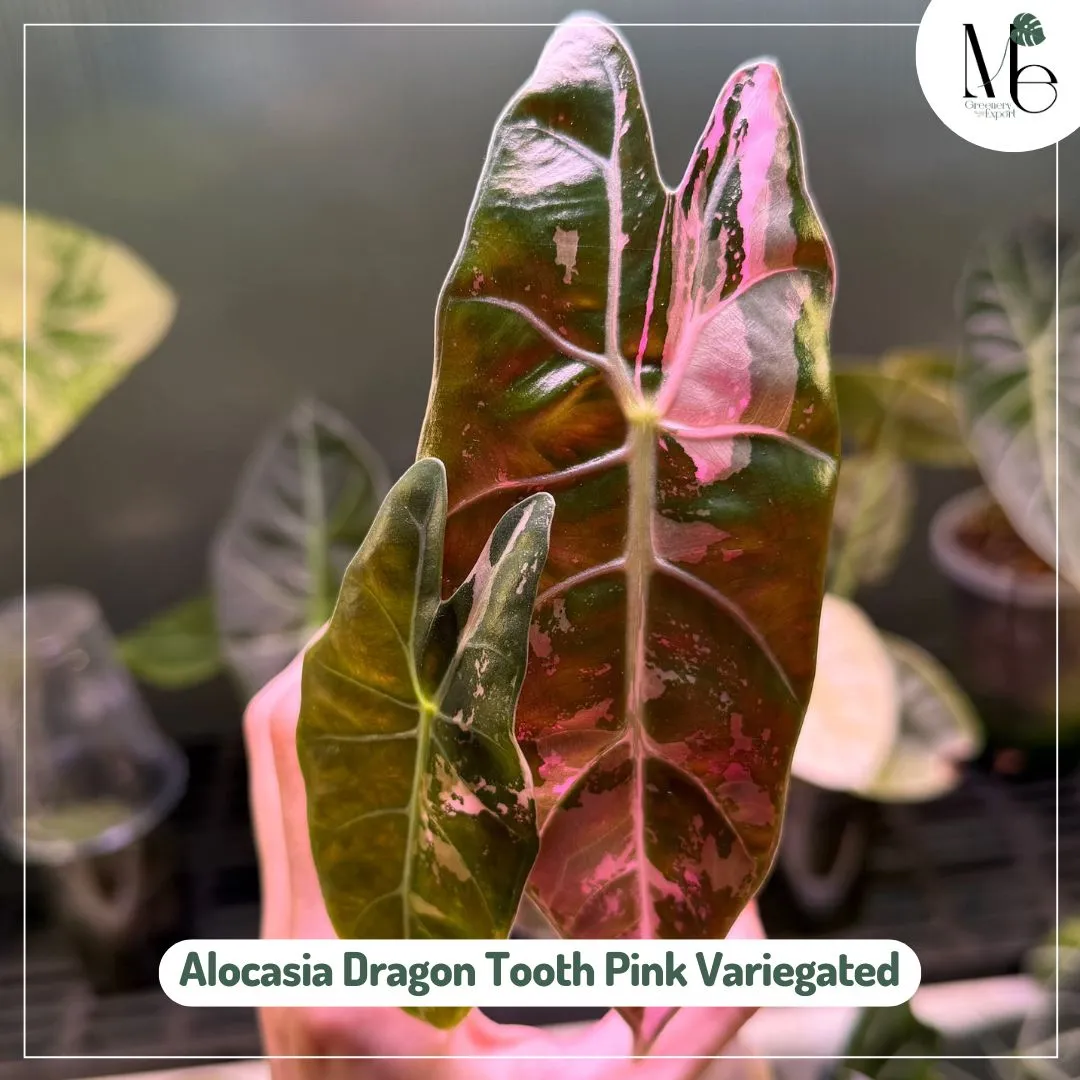
Alocasia Dragon Tooth Pink Variegated
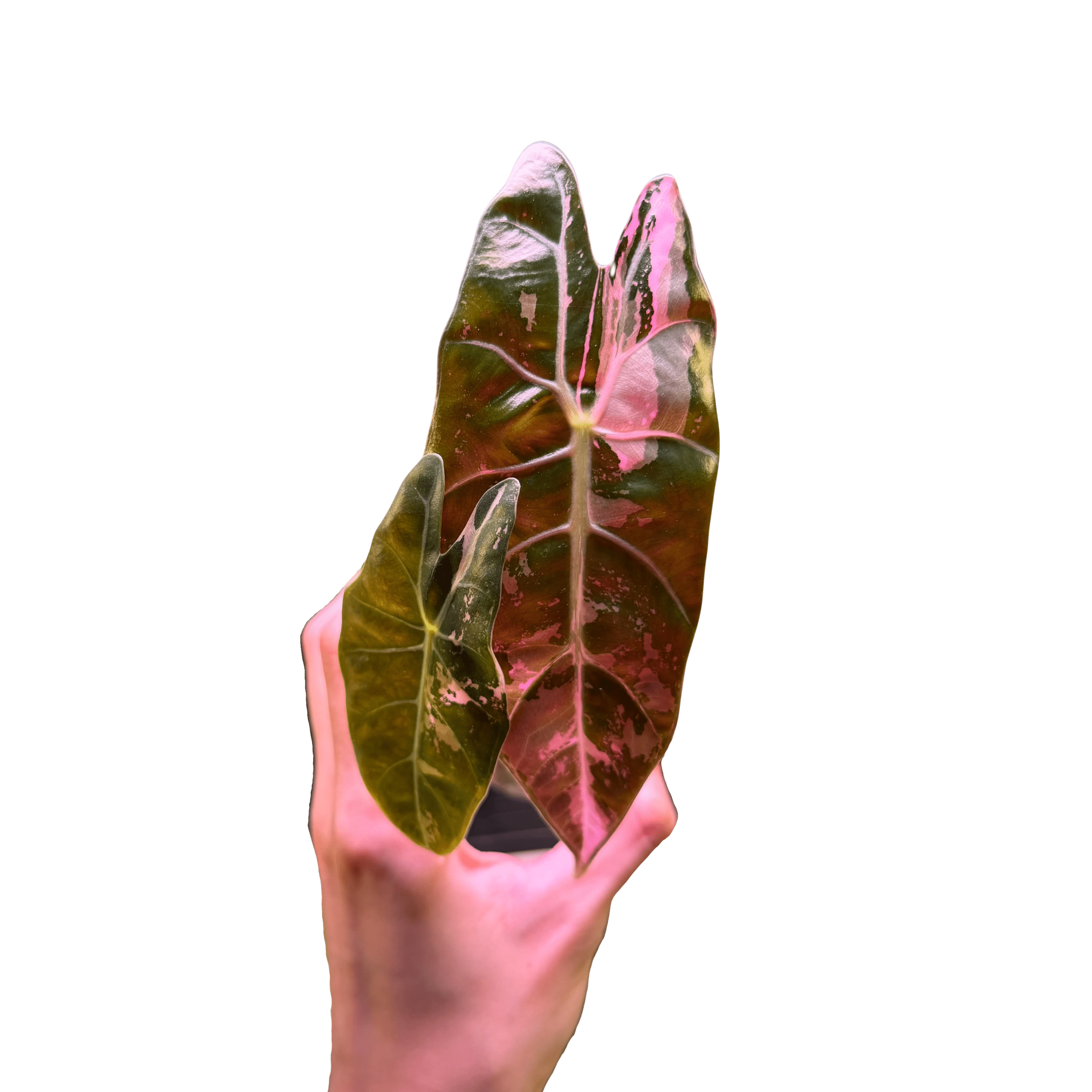
Alocasia Dragon Tooth Pink Variegated is a striking and rare aroid featuring bold, jagged “dragon tooth” leaf edges with vibrant pink variegation contrasting deep green foliage. Its dramatic leaf structure and jewel-like blush make it a captivating statement piece for any plant collection. Each leaf is unique, showcasing intricate patterns and tones that enhance its exotic, tropical allure. Perfect for collectors seeking a visually stunning and conversation-starting specimen, this plant elevates indoor spaces with both color and sculptural elegance. How to care Light: Bright, indirect light to enhance pink variegation without scorching Water: Water when the top portion of the substrate dries Humidity: Moderate to high humidity supports stable leaf development Temperature: Keep warm temperatures and avoid sudden changes Soil: Use a fast-draining, airy aroid mix How to order *The first image is just for advertising. [post-views]
Share this:
Alocasia Longiloba Suhirmaniana Aurea
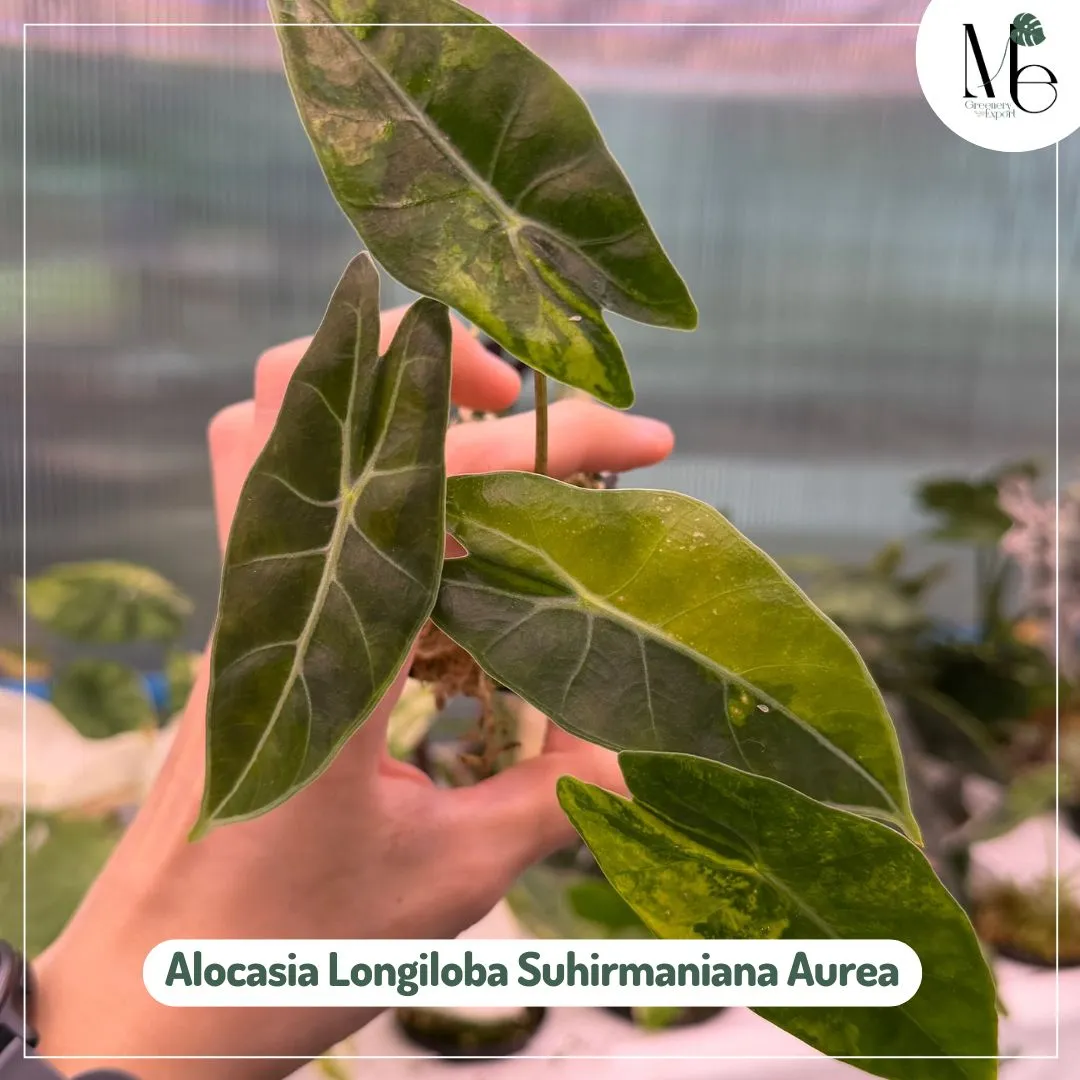
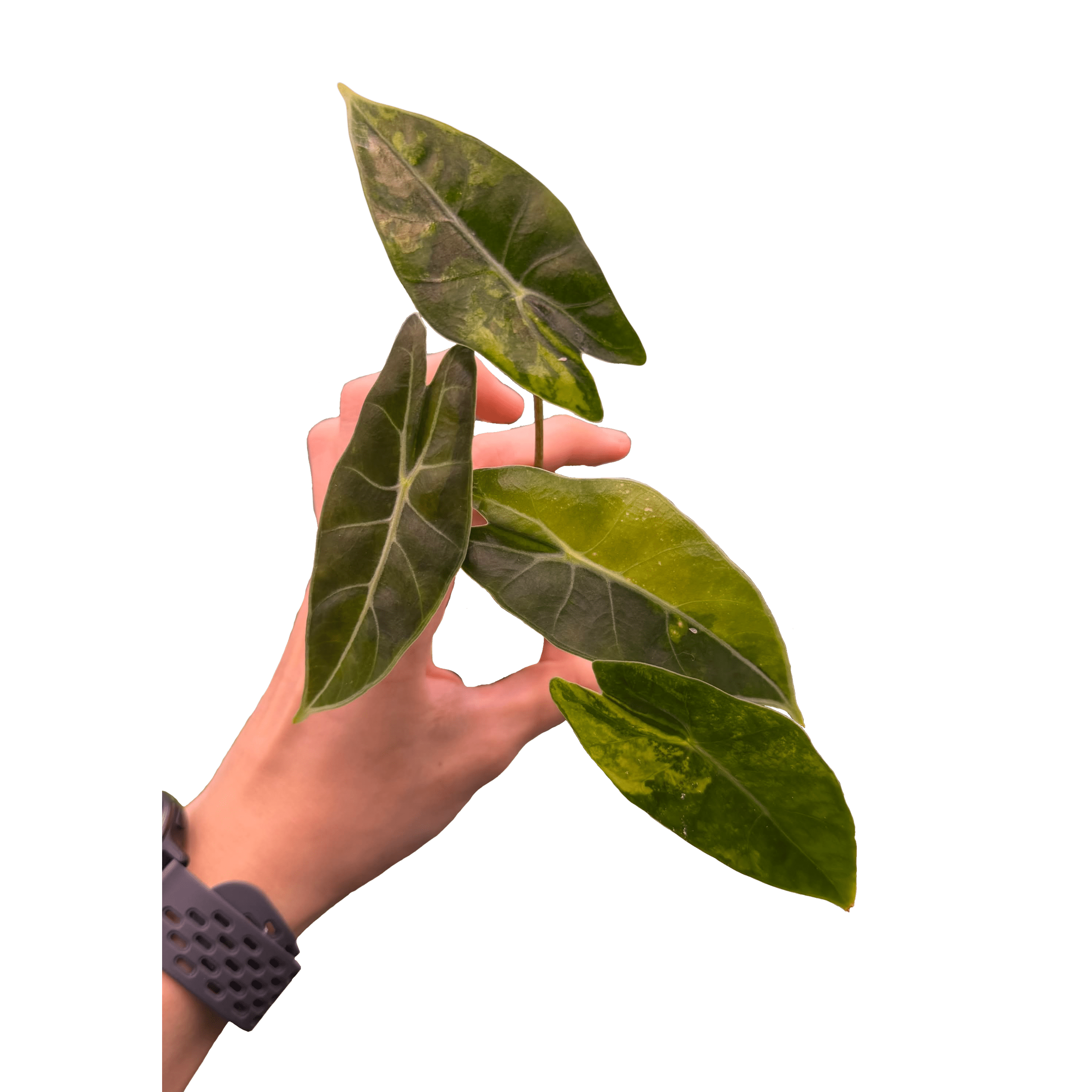
Perfect with elongated, lance-shaped leaves with striking golden-yellow variegation contrasted against deep green, Alocasia longiloba Suhirmaniana Aurea is a rare and highly sought-after aroid. Its sculptural form, smooth texture, and subtle metallic sheen make it a standout specimen for collectors and plant enthusiasts. This exotic beauty adds sophistication and a tropical flair to any indoor space, offering a bold statement with each unique leaf pattern. Super recommend for collectors looking for a rare and visually captivating Alocasia clone. How to care Light: Bright, indirect light to maintain vibrant variegation Water: Water when the top layer of substrate begins to dry Humidity: Moderate to high humidity for optimal leaf development Temperature: Keep in warm conditions and avoid sudden fluctuations Soil: Use a well-draining, airy aroid mix How to order *The first image is just for advertising. [post-views]
Share this:
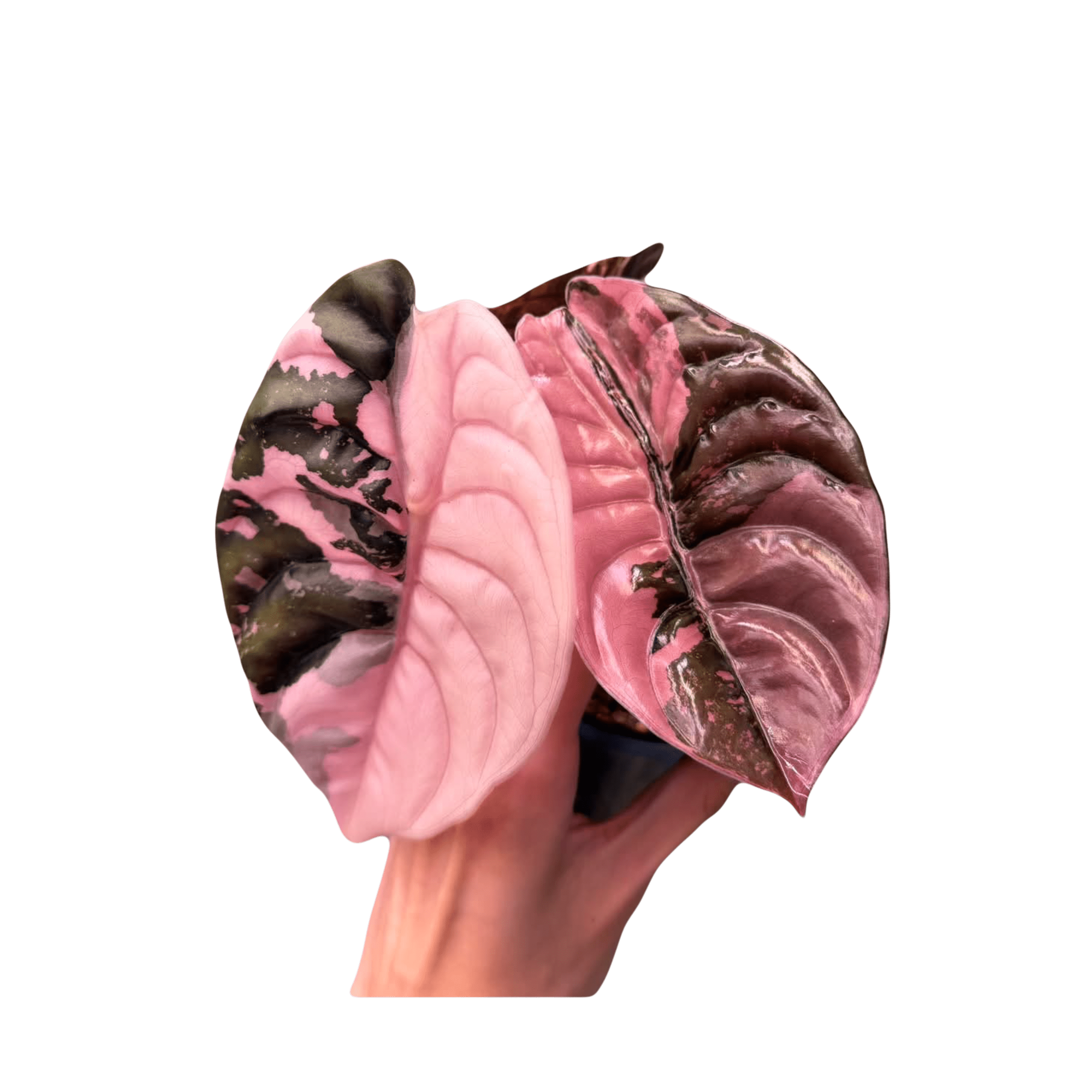
Alocasia Cuprea Nomyen
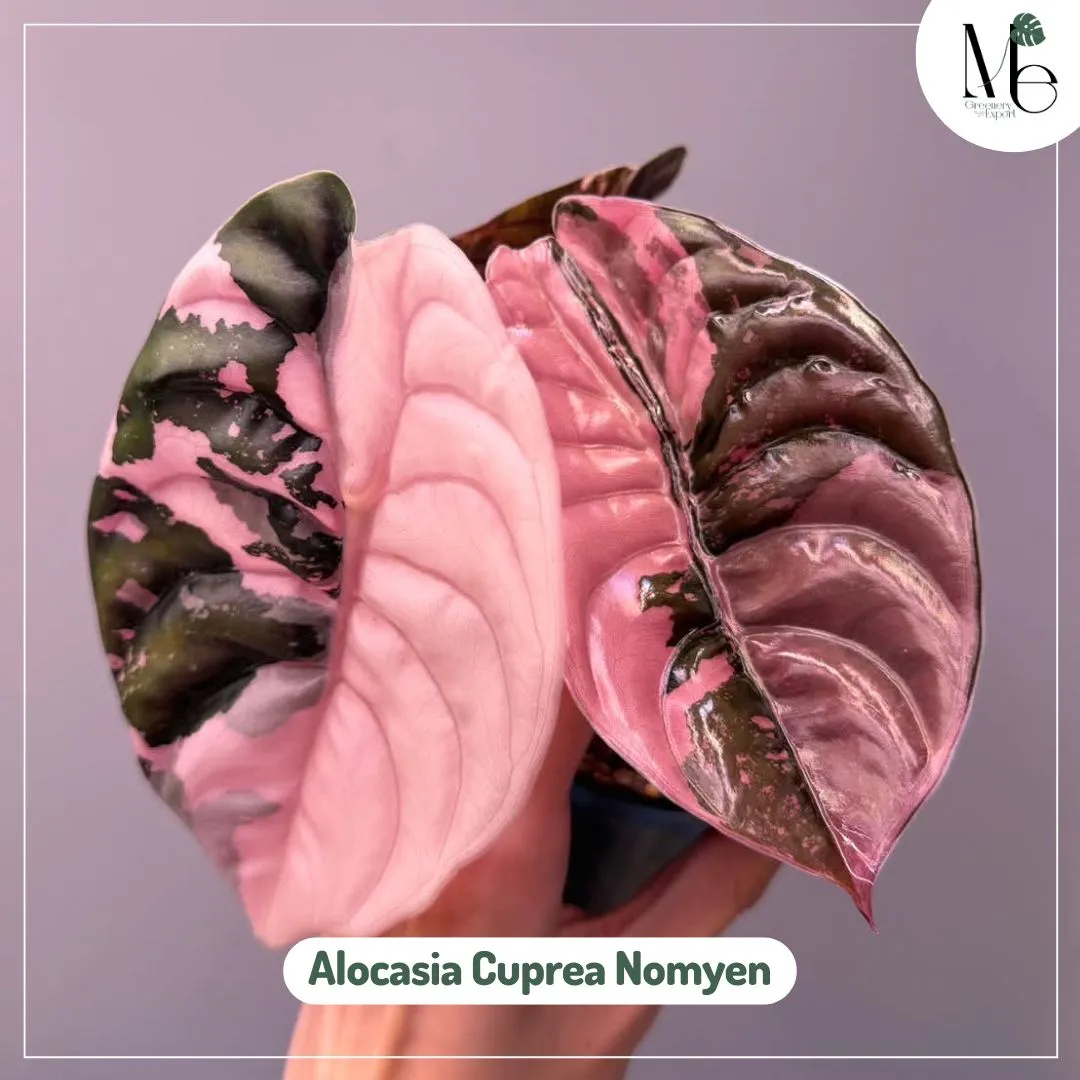
Alocasia Cuprea Nomyen is a striking tropical plant prized for its metallic, copper-toned foliage that shimmers with deep green and bronze hues. “Nomyen” is a Thai word which means Thai Pink Milk. It describes the variegated parts of the plant that is a cool pink tone. Its thick, sculptural leaves have a glossy, almost mirror-like finish, creating a bold, luxurious look. Compact yet dramatic, this rare variety adds an exotic, high-end feel to any indoor space. How to care Light: Bright, indirect light to enhance leaf color and sheen Water: Water when the top layer of the substrate begins to dry Humidity: Moderate to high humidity for optimal growth Temperature: Keep in warm conditions and avoid sudden changes Soil: Use a well-draining, airy aroid mix How to order *The first image is just for advertising. [post-views]
Share this:


Anthurium RVDP x Luxurians
Anthurium RVDP x Luxurians is a compact, texture-driven hybrid valued for its dense leaf structure and controlled growth. Leaves emerge firm and dark, developing heavy corrugation and pronounced ribbing as they mature. The influence of Luxurians is evident in the thick, almost sculptural surface, while RVDP contributes improved symmetry and stability. Color ranges from deep green to near-black under strong light, with minimal gloss and a rugged finish. This plant prioritizes substance over size, appealing to growers focused on leaf texture, durability, and consistent form across growth cycles. How to care Light: Bright, indirect light to maintain compact growth and strong texture Water: Allow the substrate to partially dry between waterings Humidity: Moderate to high humidity supports proper leaf formation Temperature: Warm, stable temperatures with good airflow Soil: Use a chunky, fast-draining aroid mix
How to order *The first image is just for advertising. [post-views]Share this:
Showing 1–20 of 323 resultsSorted by latest